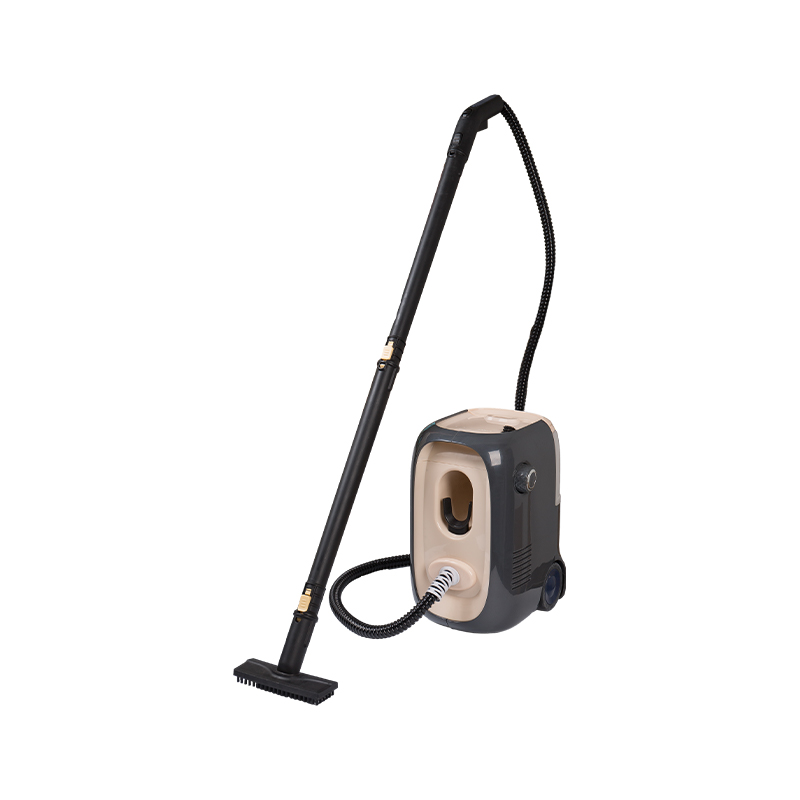
Tile Steam Cleaners Are One of the Most Effective Ways to Clean Grout and Hard Floors
Tile steam cleaners use pressurized steam at temperatures between 212°F and 300°F (100°C–148°C) to dissolve grease, kill up to 99.9% of bacteria, and lift dirt from tile surfaces and grout lines — without chemical cleaners. Whether you're dealing with bathroom tiles, kitchen backsplashes, or floor grout that's gone gray over time, a steam cleaner can restore them faster and more thoroughly than scrubbing by hand. This article covers how they work, what to look for, and which situations they're best suited for.
How Tile Steam Cleaners Actually Work
Steam cleaners heat water in an internal boiler until it becomes pressurized, dry steam. That steam is then directed through a nozzle or brush attachment onto the tile surface. The heat breaks down the molecular bonds holding dirt, soap scum, grease, and mold to the tile and grout, making it easy to wipe away without scrubbing hard.
Most residential steam cleaners operate at 3–6 bar of pressure, which is sufficient for household tile. Commercial units go higher. The "dry steam" quality matters — low-quality steamers produce wet steam that leaves excess moisture and can push grime deeper into grout rather than lifting it.
What Steam Actually Kills and Removes
- Bacteria and germs (steam at 212°F+ kills most pathogens in seconds)
- Mold and mildew spores common in bathroom tile grout
- Soap scum and hard water deposits on tile surfaces
- Grease and food residue on kitchen floor or backsplash tiles
- Pet dander and dust mite allergens embedded in grout
Types of Tile Steam Cleaners and Their Best Uses
Not every steam cleaner is designed the same way. The right type depends on where and how you plan to use it.
Comparison of common tile steam cleaner types for home use
| Type |
Best For |
Tank Size |
Typical Price Range |
| Canister Steam Cleaner |
Whole-home tile, grout, and multi-surface |
1–2 liters |
$80–$300 |
| Steam Mop with Scrubber |
Floor tiles, large surface areas |
0.3–0.5 liters |
$50–$150 |
| Handheld Steam Cleaner |
Bathroom tiles, grout, small areas |
0.2–0.4 liters |
$30–$100 |
| Vapor Steam Cleaner |
Deep grout cleaning, commercial-grade results |
2–4 liters |
$200–$600+ |
When to Choose a Canister Model Over a Steam Mop
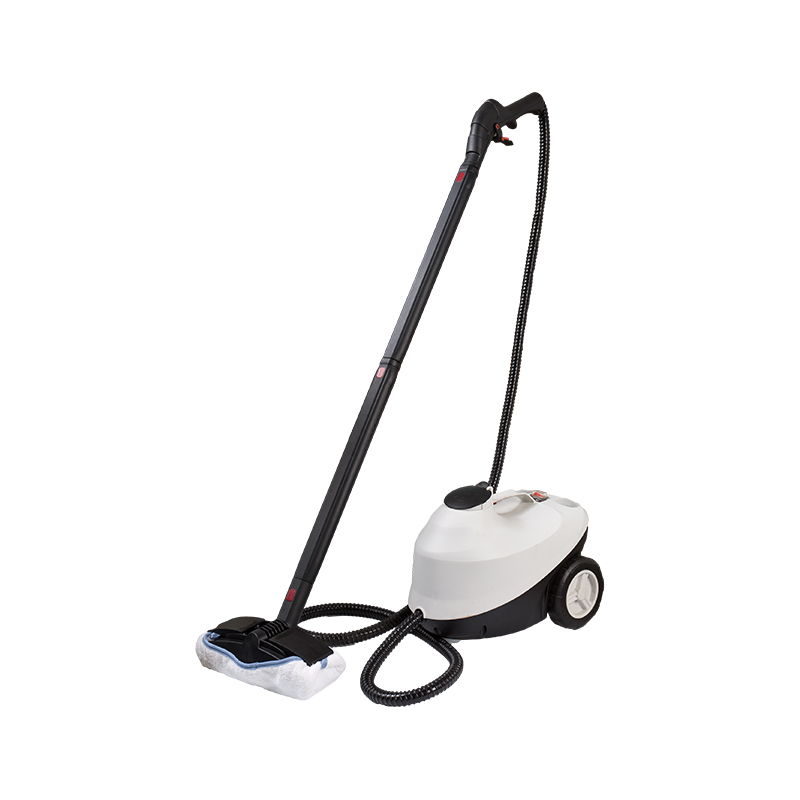
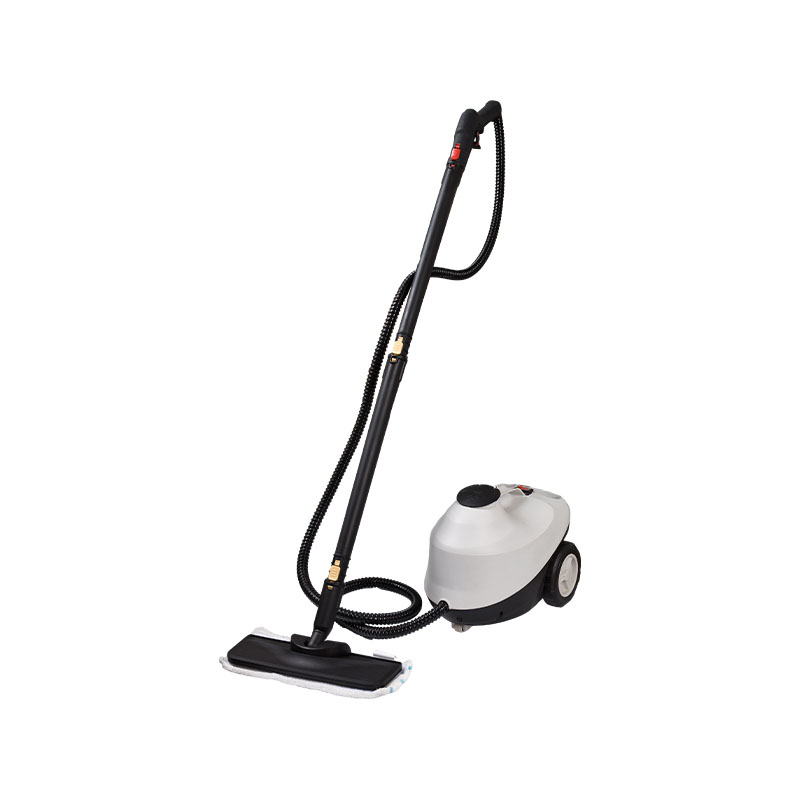
If your goal is primarily cleaning grout lines — not just the tile surface — a canister steam cleaner with a grout brush attachment is far more effective than a steam mop. Steam mops are designed for flat floor coverage and often can't direct steam into narrow grout channels with enough pressure or precision. For bathroom walls, shower tiles, or detailed grout work, a canister model with a concentrated nozzle gives you much better control.
Key Features to Look for When Buying a Tile Steam Cleaner
With dozens of models available, narrowing your choice comes down to a handful of specifications that directly affect cleaning performance.
Steam Temperature and Pressure
Look for a unit that reaches at least 220°F (104°C) and operates at a minimum of 3.5 bar pressure. Below this threshold, steam may not effectively sanitize or cut through set-in grout stains. High-end models like the Dupray Neat or McCulloch MC1375 consistently reach 275°F+, making them noticeably more effective on stained grout.
Tank Size and Heat-Up Time
A 1-liter tank typically gives you 45–60 minutes of continuous steam, which is enough for most cleaning sessions. Heat-up times range from 3 minutes (smaller handhelds) to 8–12 minutes (large canister units). If you're cleaning a large tiled area, prioritize tank size. If you want quick spot treatment, a fast heat-up handheld is more practical.
Attachment Variety
The most useful attachments for tile cleaning include:
- Grout brush — angled bristles that direct steam directly into grout lines
- Flat scraper — removes adhesive residue or heavy buildup on tiles
- Jet nozzle — concentrated point steam for stubborn stains
- Wide floor head — for fast coverage on large tiled floors
Continuous Fill vs. Fixed Tank
Some models allow you to add water while the unit is still hot (continuous fill), which is a significant convenience for large jobs. Fixed-tank units require you to cool the machine before refilling — a drawback if you're cleaning a whole bathroom or large tiled kitchen floor in one session.
How to Use a Steam Cleaner on Tiles for the Best Results
Technique matters as much as the equipment. Using a steam cleaner incorrectly can leave tiles streaky or fail to clean grout effectively.
- Sweep or vacuum the tile surface first to remove loose debris — steam can push loose dirt into grout if the surface isn't cleared.
- Attach the grout brush and set the steamer to its highest setting for initial grout cleaning.
- Work in small sections (2–3 sq ft at a time), moving the brush slowly along grout lines to let steam penetrate.
- Immediately wipe the area with a microfiber cloth to pick up the loosened grime — don't let it dry back onto the surface.
- Switch to the wide head or flat attachment for tile surface cleaning after grout lines are done.
- Allow tiles to air dry for 10–15 minutes before walking on cleaned floors.
For heavily stained grout, a single pass may not be enough. Two or three passes on the same grout line, combined with a stiff nylon brush wipe-down after steaming, typically achieves the best results on neglected tile.
Tiles and Surfaces You Should Not Steam Clean
Steam cleaners are not universally safe for all tile types. Using them incorrectly can cause damage that's expensive to repair.
- Unsealed natural stone tiles (travertine, marble, limestone) — steam can penetrate pores and cause cracking or discoloration over time.
- Cracked or chipped tiles — steam forces moisture into cracks and can worsen structural damage.
- Tiles with unsealed or deteriorating grout — the steam pressure can erode weak grout and widen gaps.
- Tiles with wax or polish coatings — high heat will strip protective finishes.
Ceramic, porcelain, and glazed tiles in good condition are the safest and most suitable surfaces for steam cleaning. When in doubt about a tile type, test a small, hidden area before cleaning the full surface.
Steam Cleaning vs. Chemical Tile Cleaners: A Practical Comparison
Both approaches have real-world trade-offs. Understanding them helps you decide when to steam and when chemicals might still play a role.
Steam cleaning vs. chemical cleaners across key performance factors
| Factor |
Steam Cleaner |
Chemical Cleaner |
| Sanitization |
Kills up to 99.9% of bacteria |
Varies by product; disinfectants effective |
| Chemical Residue |
None — water only |
Residue possible without thorough rinsing |
| Grout Stain Removal |
Excellent with proper technique |
Good, especially with bleach-based cleaners |
| Cost Over Time |
Low (just water after initial purchase) |
Ongoing product costs |
| Safety for Kids/Pets |
Safe once surface dries |
Risk if residue remains or fumes linger |
| Ease of Use |
Moderate — learning curve for technique |
Simple — spray and wipe |
For routine maintenance, steam cleaning is cleaner, safer, and cheaper in the long run. For acute mold problems or extremely stained grout, some homeowners combine both: apply a bleach-based cleaner, let it dwell, then follow with steam to flush and sanitize the area.
Recommended Tile Steam Cleaners Worth Considering
Based on performance, build quality, and user feedback, these models consistently stand out for tile and grout cleaning:
Dupray Neat Steam Cleaner
Reaches 275°F and 50+ psi, with a 54-oz tank that provides up to 50 minutes of continuous steam. Comes with 18 accessories including a brass grout brush. Well-regarded for heavy-duty grout cleaning on ceramic and porcelain tile. Priced around $130–$150.
McCulloch MC1375 Canister Steam Cleaner
A popular mid-range canister model with a 48 oz tank and 20+ accessories. Reaches full steam in about 8 minutes and maintains consistent pressure throughout. Strong choice for users who want versatility across tiles, grout, appliances, and upholstery.
Bissell PowerFresh Steam Mop
Best for flat tile floors rather than grout-detail work. Ready in 30 seconds, lightweight at 6 lbs, and easy to maneuver. A practical everyday option for routine floor tile maintenance rather than deep cleaning.
Wagner Spraytech 0282014 915e On-Demand Steam Cleaner
A versatile handheld-to-canister hybrid with on-demand steam trigger control, which conserves water and prevents over-wetting. Good for bathroom tiles and shower grout where precision matters more than bulk coverage.
Maintaining Your Steam Cleaner for Long-Term Performance
A steam cleaner that isn't properly maintained will underperform and have a shorter lifespan. The main issue is mineral buildup (limescale) inside the boiler from hard water, which reduces steam output and can eventually damage the heating element.
- Use distilled or demineralized water if your tap water is hard — this alone significantly extends the life of the boiler.
- Descale the tank every 2–3 months using a water-vinegar solution (1:1 ratio), running it through the unit, then flushing with clean water.
- Empty the tank after each use — leaving water sitting in the boiler accelerates mineral deposits.
- Rinse and air-dry brush attachments after use to prevent mold growth on the bristles.
With proper care, a quality tile steam cleaner should last 5–10 years with regular household use.

 English
 中文简体
中文简体