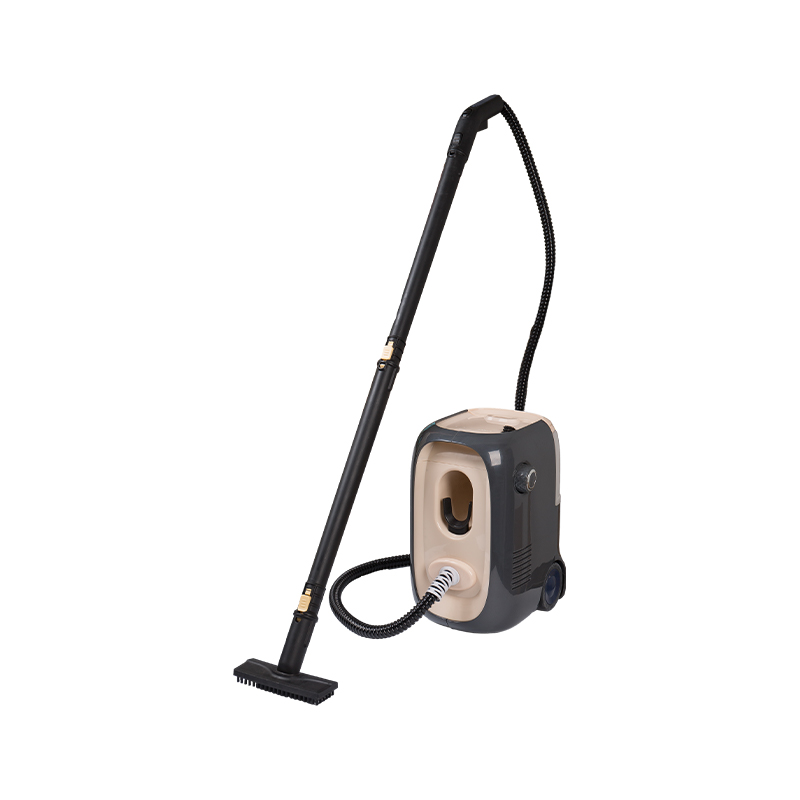
Small steam cleaners are genuinely useful tools for tackling everyday messes without chemicals. A compact handheld steam cleaner can sanitize surfaces using only water, reaching temperatures above 200 degrees Fahrenheit that kill up to 99.9 percent of common bacteria and dust mites. If you need something portable for grout lines, upholstery, tile, or kitchen appliances, a small steam cleaner delivers strong results in a lightweight, easy-to-store package.
What Small Steam Cleaners Actually Do
Small steam cleaners heat water in a boiler tank to produce pressurized steam. That steam is directed through a nozzle or attachment onto a surface, loosening dirt, dissolving grease, and killing microorganisms through heat alone.
Unlike full-size steam mops or industrial machines, compact models typically hold between 6 and 16 ounces of water and weigh under 3 pounds. They heat up in roughly 30 seconds to 3 minutes depending on the model and tank size.
Key tasks they handle well include:
- Grout cleaning between bathroom and kitchen tiles
- Removing grease from stovetop burners and oven interiors
- Sanitizing baby toys, cutting boards, and countertops
- Loosening soap scum on shower doors and faucets
- Refreshing upholstery, car seats, and fabric surfaces
- Removing sticky residue from shelves and cabinets
They are not designed for large floor areas or extended continuous sessions. Most small units run continuously for 8 to 15 minutes on a single tank, which suits spot cleaning but not whole-room steaming.
Types of Small Steam Cleaners
Not every compact steamer is built the same way. Three main formats exist, and each suits a different use pattern.
Handheld Steam Cleaners
The most portable option. A single-body unit you hold in one hand and point directly at a surface. These are best for quick jobs like faucet buildup, tile spots, or removing sticker residue. Tank sizes are small, usually 6 to 10 ounces, so refill breaks are frequent. Weight is typically 1.5 to 2.5 pounds.
Canister Steam Cleaners (Compact)
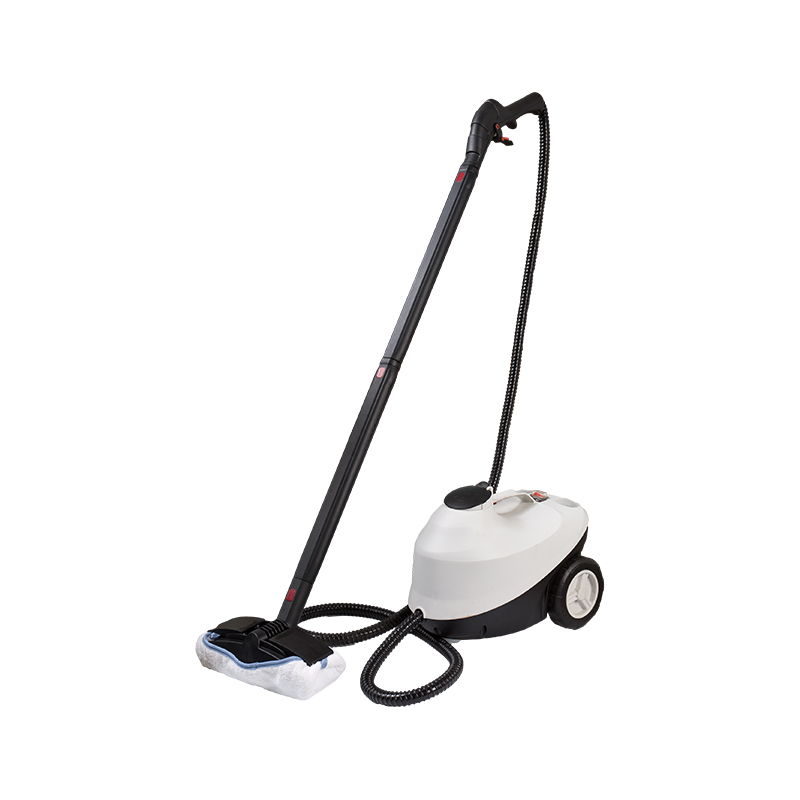
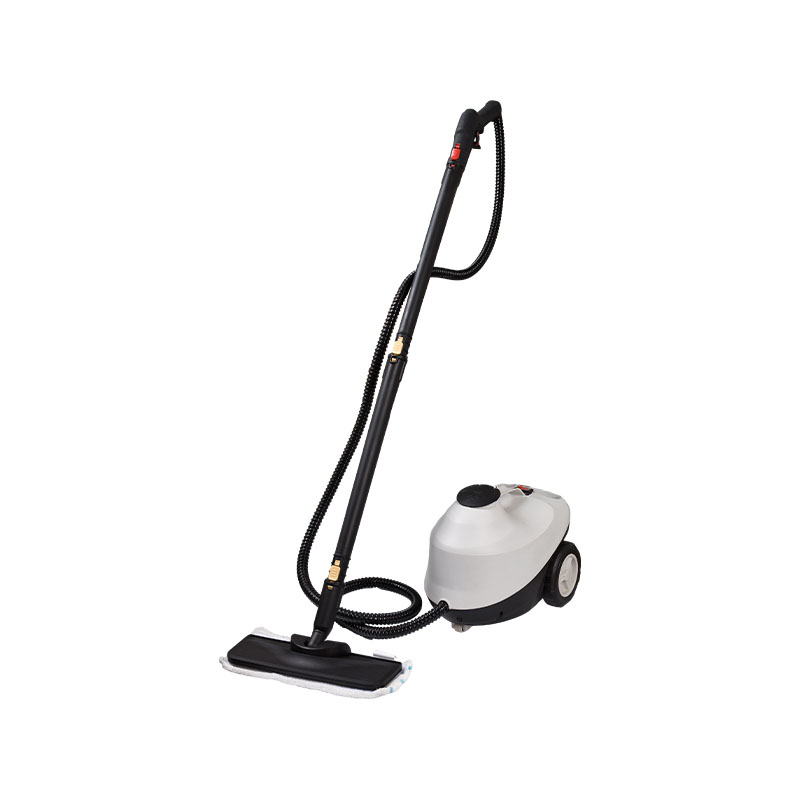
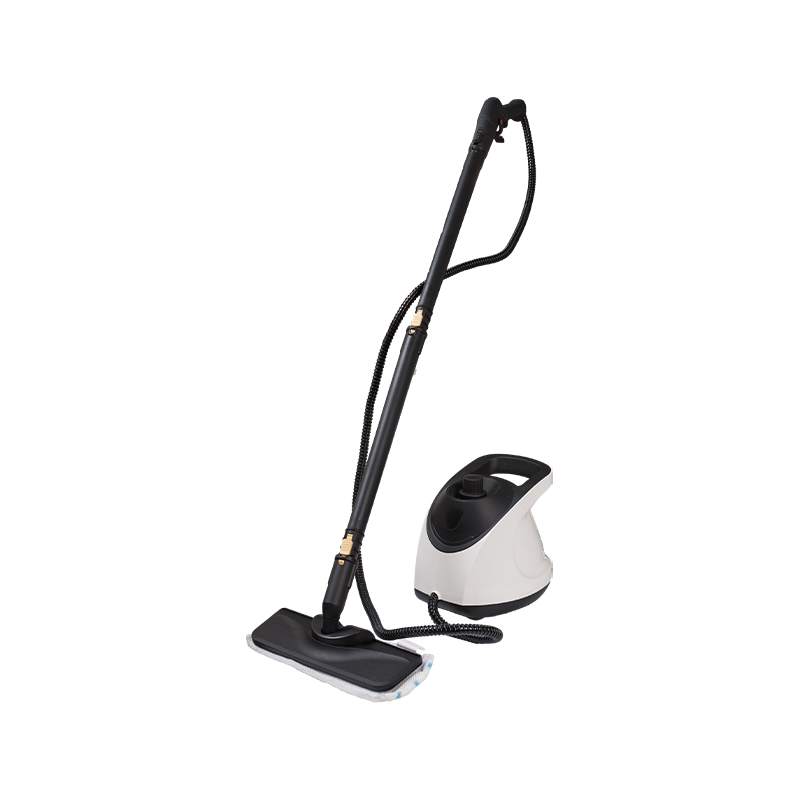
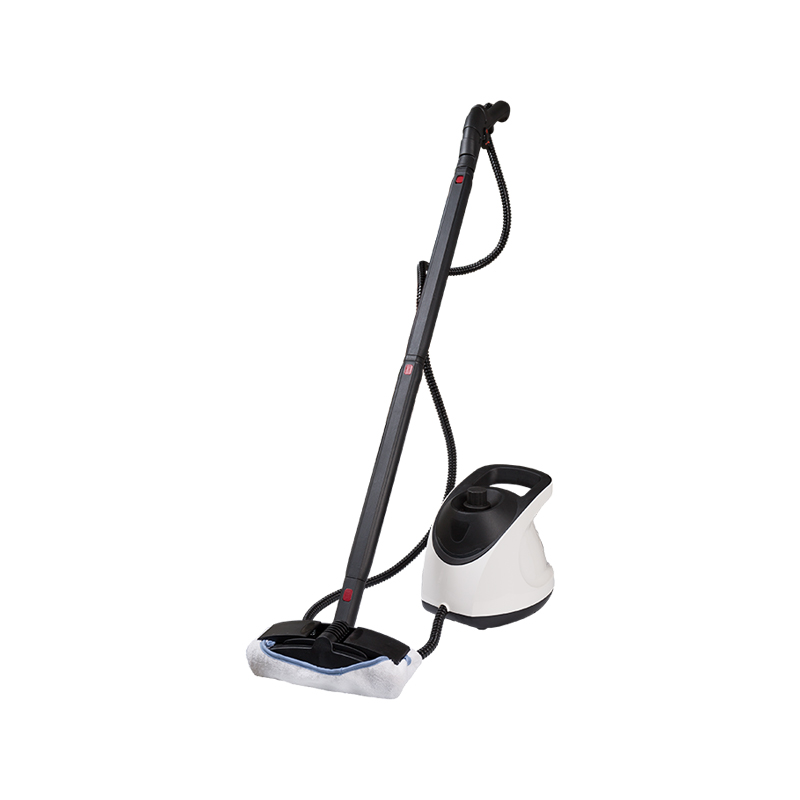
A separate tank sits on wheels or a base, connected by a hose to a handheld wand. Tanks hold more water, usually 32 to 48 ounces, allowing sessions of 30 to 45 minutes. These are better for whole-bathroom jobs or car interiors. They are still compact enough to store in a closet, but heavier than true handhelds.
Garment Steamers with Multi-Use Attachments
Primarily sold for clothing, but models that include a brush nozzle and concentrator tip can double as surface cleaners. These are useful in small apartments where buying two separate devices is impractical. Steam pressure is generally lower than dedicated cleaners, which matters for stubborn grime.
Comparison of small steam cleaner types by key characteristics
| Type |
Tank Size |
Run Time |
Best For |
Avg Weight |
| Handheld |
6 to 10 oz |
8 to 12 min |
Spot cleaning, grout, faucets |
1.5 to 2.5 lbs |
| Compact Canister |
32 to 48 oz |
30 to 45 min |
Bathroom, car interior, full rooms |
5 to 7 lbs |
| Garment Steamer (multi-use) |
10 to 20 oz |
10 to 20 min |
Fabric, light surface cleaning |
2 to 3.5 lbs |
What to Look for Before Buying
Shopping for a small steam cleaner involves trade-offs. Knowing which features matter for your specific use will prevent buying something that disappoints.
Steam Pressure and Temperature
Higher pressure means better penetration into porous surfaces like grout and tile cracks. Look for units that specify at least 3 bar of pressure for surface cleaning tasks. Models rated for 4 to 6 bar are more effective on tough grease. Temperature should reach at least 212 degrees Fahrenheit to sanitize properly.
Heat-Up Time
Entry-level handhelds heat up in about 3 minutes. Some models advertise 20 to 30 second heat-up times by using a smaller boiler that stays pressurized. If you plan to use the cleaner for quick daily touch-ups, faster heat-up saves real time over weeks of use.
Included Attachments
Attachments determine versatility. A useful starter set includes:
- A pointed nozzle for grout lines and tight corners
- A round or rectangular brush head for flat surfaces
- A fabric nozzle for upholstery and clothing
- A window squeegee attachment for glass and mirrors
Models bundled with 10 or more attachments often include redundant or low-quality pieces. Prioritize quality and fit of 4 to 6 well-made attachments over a large bundle of flimsy ones.
Tank Capacity and Refill Design
Small tanks require refills, and most units must cool down before you can safely open the boiler cap. Check whether the model has a continuous-fill design or a pressurized lock cap. Continuous-fill models allow topping up mid-session without waiting, which is a meaningful convenience advantage for longer cleaning jobs.
Cord Length
Most handheld steamers use a 5 to 8 foot cord. For bathroom use where outlets are nearby this is usually fine, but for car interiors or outdoor work you may need an extension cord. Cordless steam cleaners exist but typically sacrifice pressure due to battery power constraints.
Surfaces Where Small Steam Cleaners Perform Best
Steam cleaning is not appropriate for every surface. Using steam on the wrong material can cause warping, discoloration, or damage. Below is a practical guide.
Surface compatibility guide for small steam cleaners
| Surface |
Compatibility |
Notes |
| Ceramic and porcelain tile |
Excellent |
Grout responds very well to steam |
| Stainless steel |
Excellent |
Great for stovetops and appliances |
| Glass and mirrors |
Good |
Use squeegee attachment for streak-free results |
| Sealed hardwood floors |
Caution |
Excessive steam can damage sealant over time |
| Unsealed wood |
Avoid |
Steam causes swelling and warping |
| Upholstery and fabric |
Good |
Test a hidden area first; avoid delicate fabrics |
| Painted walls |
Caution |
Can strip paint or cause bubbling if held too long |
| Laminate flooring |
Avoid |
Moisture seeps into seams and warps panels |
| Car interiors (vinyl, plastic) |
Excellent |
Breaks down grime in vents and seams |
How to Use a Small Steam Cleaner Effectively
Getting the most out of a compact steamer comes down to technique and a few practical habits.
Fill with Distilled Water
Tap water contains minerals that accumulate inside the boiler over time, reducing performance and eventually clogging the unit. Distilled or demineralized water significantly extends the life of your steamer. If tap water is the only option, descale the tank every 4 to 6 weeks using a diluted white vinegar rinse.
Let Steam Dwell Before Wiping
Steam needs a moment to penetrate and loosen grime. Hold the nozzle 1 to 2 inches from the surface and apply steam for 5 to 10 seconds before wiping. On grout lines, move the nozzle slowly and steadily rather than rushing. Following immediately with a microfiber cloth picks up the loosened debris.
Work in Sections
Because tanks are small, plan your cleaning task in zones. Steam one section, wipe it clean, then move on. This prevents the steam from drying before you wipe and keeps your cloth from spreading dirty residue across freshly steamed areas.
Start with a Lower Steam Setting
On models with adjustable steam output, start low on unfamiliar surfaces. Delicate tiles with worn grout, older appliance paint, or synthetic upholstery can react poorly to prolonged high-pressure steam. Increase intensity only after confirming the surface tolerates it.
Allow the Unit to Cool Before Storage
After finishing, empty any remaining water and allow the boiler to cool with the cap off. Storing a sealed unit with water inside promotes mineral buildup and, in some cases, mold growth in the reservoir. Two to three minutes of cooling with the nozzle aimed safely away is usually sufficient.
Where Small Steam Cleaners Fall Short
Understanding the limitations prevents frustration and helps you set realistic expectations.
- Short run times mean frequent refills during large jobs. A bathroom deep clean may require 2 or 3 refill cycles with a basic handheld.
- Steam does not remove all stains. Tannin stains from coffee, rust, or deeply embedded dye require specific chemical treatments that steam alone cannot replicate.
- No suction means loosened debris stays on the surface until you manually wipe it. Steam cleaners are not vacuums and require a follow-up wipe-down step every time.
- Not safe for all materials. As noted in the surface guide above, laminate, unsealed wood, and some painted surfaces can sustain damage.
- Burns are a real risk if the nozzle is held too close to skin or if steam drifts onto hands during use. Always point the nozzle away from the body while heating.
Are Small Steam Cleaners Worth It
For people who clean bathrooms, kitchens, or vehicles regularly and want to reduce reliance on chemical sprays, a small steam cleaner offers real practical value. Studies have shown that steam at temperatures above 160 degrees Fahrenheit eliminates common household pathogens including E. coli and Staphylococcus aureus without any chemical agents. That is a meaningful benefit for households with young children or allergy sensitivities.
The upfront cost for a capable handheld unit typically falls between 40 and 100 dollars. Compact canister models range from 80 to 180 dollars. Over time, reduced spending on cleaning sprays and disposable wipes helps offset that initial investment, particularly for households that clean frequently.
If your primary need is grout, stovetop grease, bathroom tile, or car interior detailing, a small steam cleaner is likely a worthwhile purchase. If you need to clean large floor areas or extended surfaces regularly, a full-size canister or steam mop will serve you better than a compact model.

 English
 中文简体
中文简体