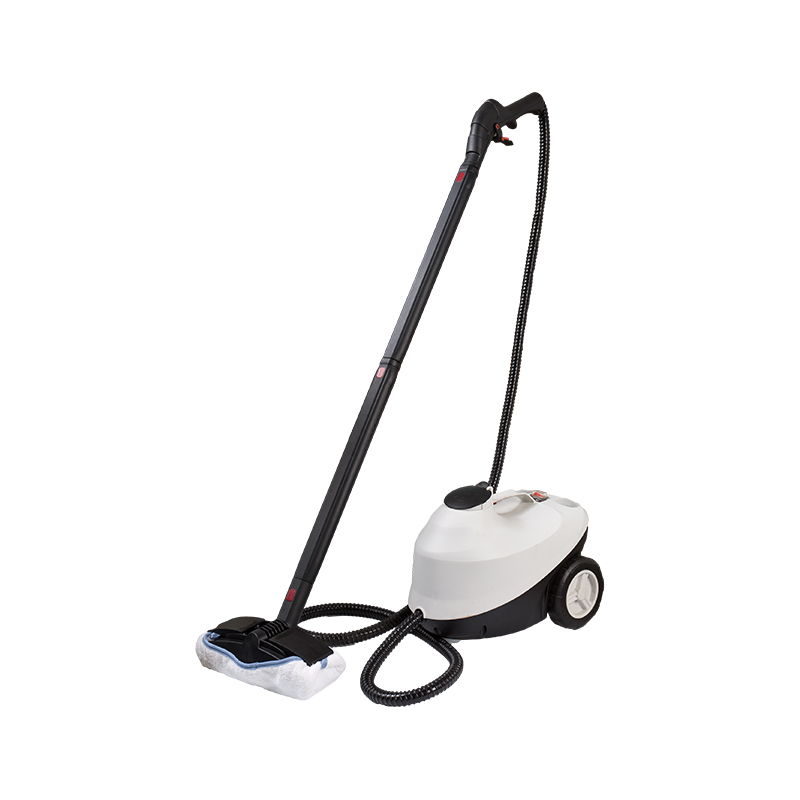
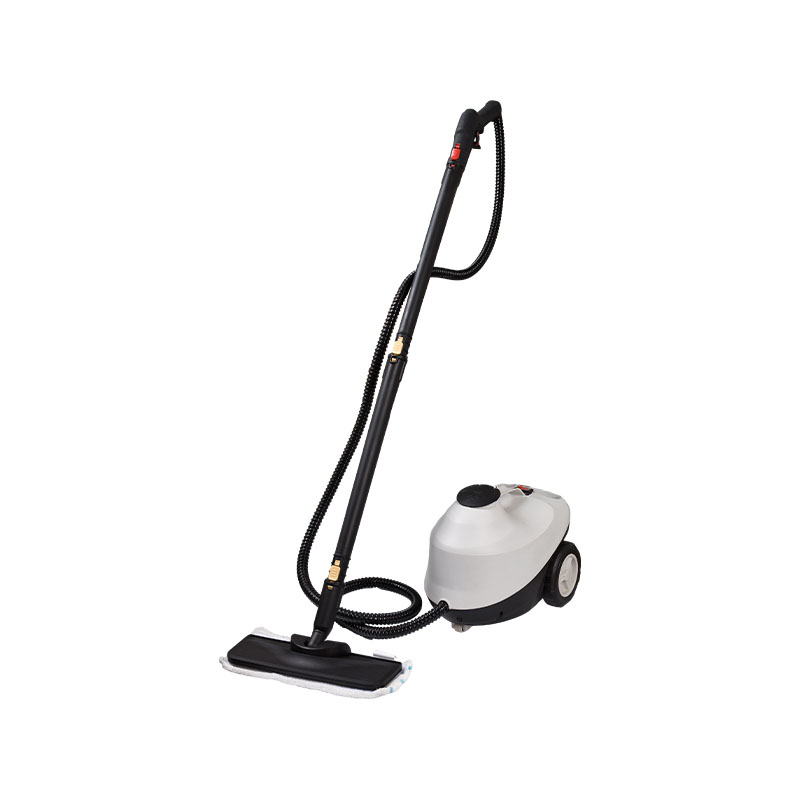
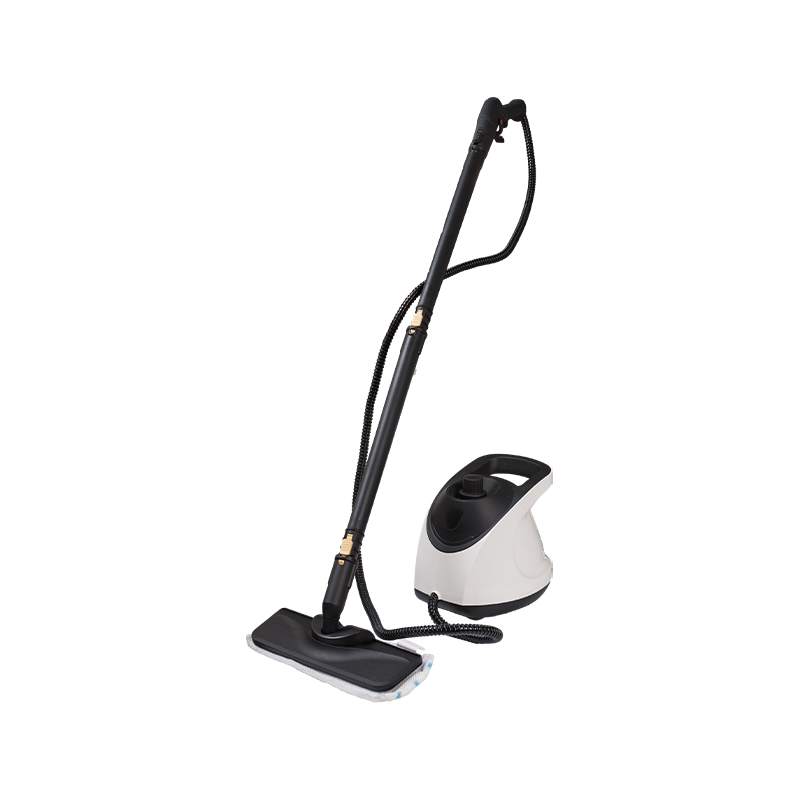
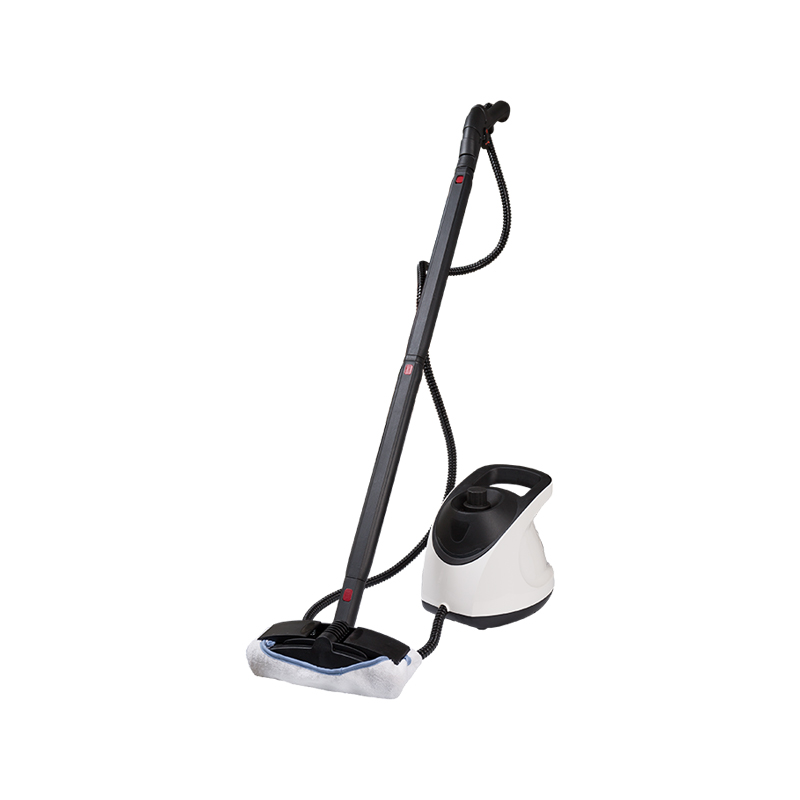
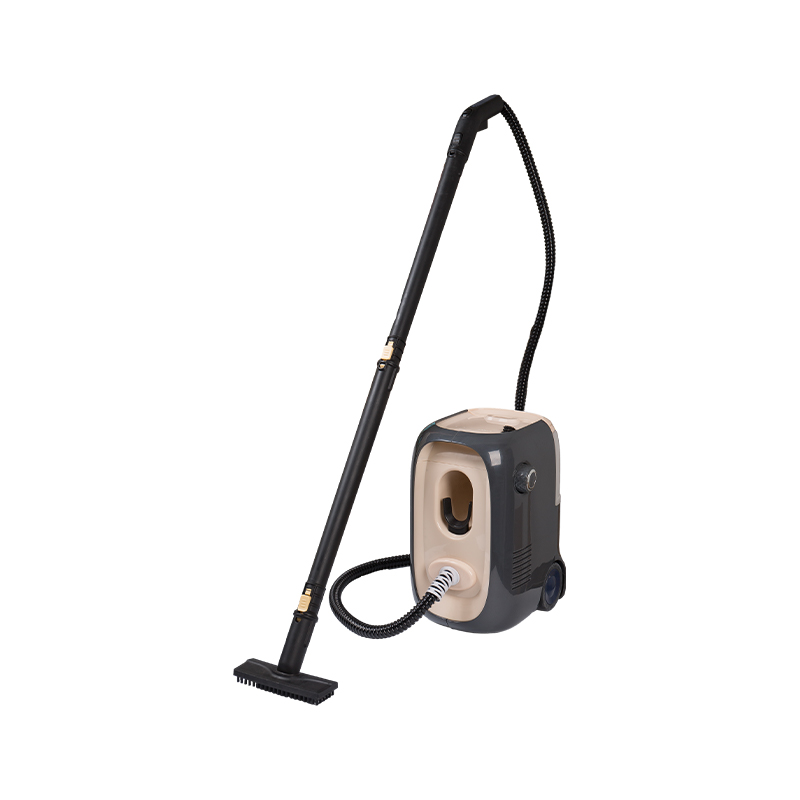
What Makes Floor Steam Mops Effective for Home Cleaning
Floor steam mops clean and sanitize hard surfaces using superheated steam at temperatures between 212°F and 248°F (100°C-120°C), eliminating up to 99.9% of common household bacteria without harsh chemicals. This heat-based cleaning method breaks down dirt, dissolves grease, and kills germs on contact, making them particularly valuable for homes with children, pets, or allergy concerns.
The technology works by heating water in an internal reservoir until it converts to pressurized steam, which is then released through a microfiber pad onto the floor surface. Unlike traditional mopping that pushes dirty water around, steam mops provide a continuous supply of clean, hot vapor that penetrates surface pores and lifts embedded grime.
Compatible Floor Types and Surface Limitations
Understanding which floors benefit from steam cleaning prevents costly damage and ensures optimal results.
Safe for Steam Cleaning
- Sealed hardwood floors with intact polyurethane or similar protective coatings
- Ceramic and porcelain tile with grouted seams
- Luxury vinyl plank (LVP) and sheet vinyl flooring
- Laminate flooring rated for moisture exposure
- Natural stone tiles like slate and granite with proper sealing
Avoid Steam Cleaning On
- Unsealed hardwood or floors with worn, cracked finishes that allow moisture penetration
- Waxed floors where heat will melt protective coatings
- Unfinished wood or cork that absorbs moisture and swells
- Peel-and-stick vinyl tiles where adhesive loosens under heat
Cleaning Performance Compared to Traditional Methods
Real-world testing reveals significant differences in cleaning outcomes, time investment, and long-term floor maintenance.
| Cleaning Method |
Time for 500 sq ft |
Bacterial Reduction |
Drying Time |
| Floor Steam Mop |
12-15 minutes |
99.9% |
2-3 minutes |
| Traditional String Mop |
20-25 minutes |
60-70% |
15-30 minutes |
| Spray Mop |
15-18 minutes |
75-85% |
5-10 minutes |
Cleaning efficiency comparison based on independent laboratory testing
The 40% time savings comes from eliminating bucket refills and the need for separate disinfecting steps. Steam mops also reduce chemical exposure—a household using a steam mop exclusively can save approximately $120 annually on floor cleaning products.
Proper Operating Techniques for Best Results
Maximizing cleaning effectiveness requires following specific procedures that differ from traditional mopping.
Pre-Cleaning Preparation
Always sweep, vacuum, or dust-mop before steam cleaning. Steam mops work best on surfaces free of loose debris—attempting to steam over dirt, pet hair, or crumbs creates muddy paste that spreads across the floor. This preliminary step takes 3-5 minutes but prevents 80% of streaking complaints reported by users.
Water Quality Matters
Use distilled or demineralized water in regions with hard water (above 120 ppm calcium carbonate). Tap water with high mineral content leaves white residue on floors and builds scale inside the heating element, reducing steam production by up to 30% within six months. A gallon of distilled water costs approximately $1 and treats 4-6 average cleaning sessions.
Movement Technique
- Move the mop in slow, overlapping passes rather than quick swipes
- Hold each position for 2-3 seconds on heavily soiled areas
- Work backward from the far corner toward your exit to avoid walking on damp floors
- Flip or replace the microfiber pad when it becomes saturated (typically every 200-300 square feet)
Maintenance Requirements and Longevity
Proper care extends equipment life from the typical 2-3 years to 5-7 years of regular use.
After Each Use
- Empty remaining water from the tank to prevent mineral buildup and bacterial growth
- Remove and machine-wash microfiber pads immediately—dried soil becomes difficult to remove
- Wipe down the exterior and allow the unit to cool completely before storage
Monthly Descaling
Run a 50/50 mixture of white vinegar and distilled water through the system (without the pad attached) to dissolve mineral deposits. Fill the tank halfway, heat until steam produces, then run for 2-3 minutes. Rinse thoroughly with clean distilled water afterward. This process maintains optimal steam pressure and prevents the most common cause of premature failure—clogged heating elements.
Pad Replacement Schedule
Microfiber pads lose effectiveness after 50-100 wash cycles as fibers break down and lose their ability to trap particles. Signs of worn pads include streaking that doesn't improve with cleaning, reduced glide across floors, and visible thinning. Replacing pads costs $8-15 for a two-pack and immediately restores cleaning performance.
Cost Analysis Over Time
Understanding total ownership costs helps determine whether steam mopping fits your household budget and cleaning frequency.
| Expense Category |
Initial Cost |
Annual Cost (Year 1) |
3-Year Total |
| Steam Mop Unit |
$60-$150 |
— |
$60-$150 |
| Replacement Pads |
Included |
$25-$35 |
$50-$70 |
| Distilled Water |
— |
$12-$20 |
$36-$60 |
| Electricity |
— |
$8-$12 |
$24-$36 |
| Total |
$60-$150 |
$45-$67 |
$170-$316 |
Based on weekly cleaning of 1,000-1,500 square feet
Compare this to traditional mopping costs of $90-$140 annually for cleaning solutions, mop replacements, and bucket maintenance. Households cleaning twice weekly see payback on mid-range steam mops within 18-24 months through eliminated chemical purchases alone.
Safety Considerations and Risk Prevention
Steam at cleaning temperatures can cause second-degree burns within 2-3 seconds of skin contact, making proper handling essential.
Burn Prevention
- Keep children and pets at least 10 feet away during operation and for 5 minutes after
- Never touch the mop head or pad during or immediately after use—metal components retain heat for 8-10 minutes
- Unplug before refilling the water tank; adding cold water to a hot empty tank can cause violent steam bursts
- Wear closed-toe shoes to protect feet from accidental steam exposure
Electrical Safety
Use only grounded three-prong outlets rated for at least 15 amps. Steam mops draw 1000-1500 watts during heat-up, which can trip older circuit breakers if combined with other high-draw appliances. Inspect power cords monthly for fraying or damage, as water exposure combined with electrical current creates serious shock hazards.
Ventilation Recommendations
While steam mops don't produce chemical fumes, they significantly increase indoor humidity. Clean with windows partially open or run exhaust fans to prevent moisture accumulation that promotes mold growth, particularly in bathrooms, basements, and poorly ventilated spaces.
Common Problems and Troubleshooting Solutions
Most issues stem from water quality, maintenance oversights, or improper technique rather than equipment defects.
Weak or No Steam Production
This affects 60% of customer service inquiries. First, check that the water tank is properly seated and filled above the minimum line. If secure, mineral buildup is the likely cause. Perform the vinegar descaling process described earlier. For persistent issues, examine the heating element access port (consult your manual) for visible scale—white, chalky deposits that block steam vents. Units used exclusively with tap water in hard-water areas often require professional descaling or element replacement after 12-18 months.
Water Leaking from Tank
Check the tank cap gasket for cracks or debris preventing a tight seal. These rubber seals cost $3-5 and fail after 200-300 heat cycles. Also verify you're not overfilling—tanks require airspace for pressure regulation. Fill only to the marked maximum line, typically 75-80% of total capacity.
Streaks and Residue
This frustrating problem usually indicates dirty pads, improper water, or technique errors. Wash pads in hot water without fabric softener, which leaves residue that transfers to floors. Switch to distilled water if you see white streaking. For technique, ensure you're not moving too quickly—the pad needs time to absorb dissolved dirt. If streaks persist with clean pads and proper water, your floor may have wax buildup from previous cleaning products that requires stripping with a dedicated floor cleaner before steam mopping.
Environmental Impact and Sustainability
Steam cleaning offers measurable environmental advantages when comparing household chemical usage and waste production.
A typical household using conventional floor cleaners consumes 12-18 plastic bottles annually, contributing approximately 2.5 pounds of plastic waste. Steam mops eliminate this entirely while reducing chemical runoff into water systems. The average steam mop session uses just 12-16 ounces of water compared to 1-2 gallons for bucket mopping, representing an 85-90% water reduction.
Energy consumption remains modest—15-20 kWh annually for weekly use, equivalent to running a 60-watt light bulb for about 280 hours. This translates to roughly $2-3 in electricity costs per year at average US rates. Microfiber pads, while requiring replacement, last significantly longer than disposable cleaning pads and can be recycled through textile recycling programs at end of life.
The most significant environmental benefit comes from eliminating volatile organic compounds (VOCs) found in many floor cleaners. Testing shows traditional cleaning products can increase indoor VOC levels by 200-400% during and after use, whereas steam cleaning produces zero chemical emissions while achieving superior disinfection results.

 English
 中文简体
中文简体