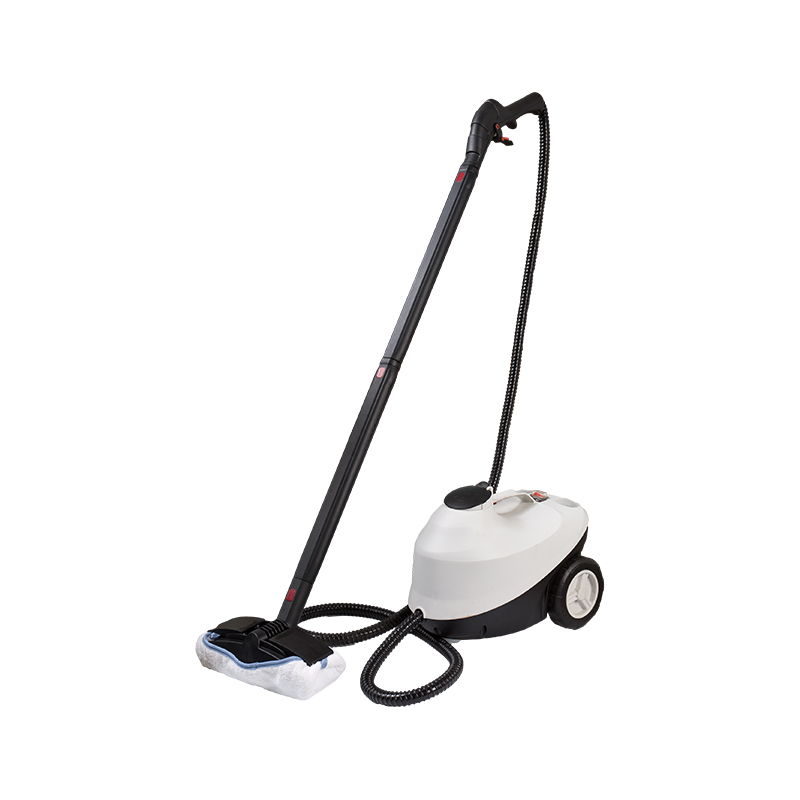
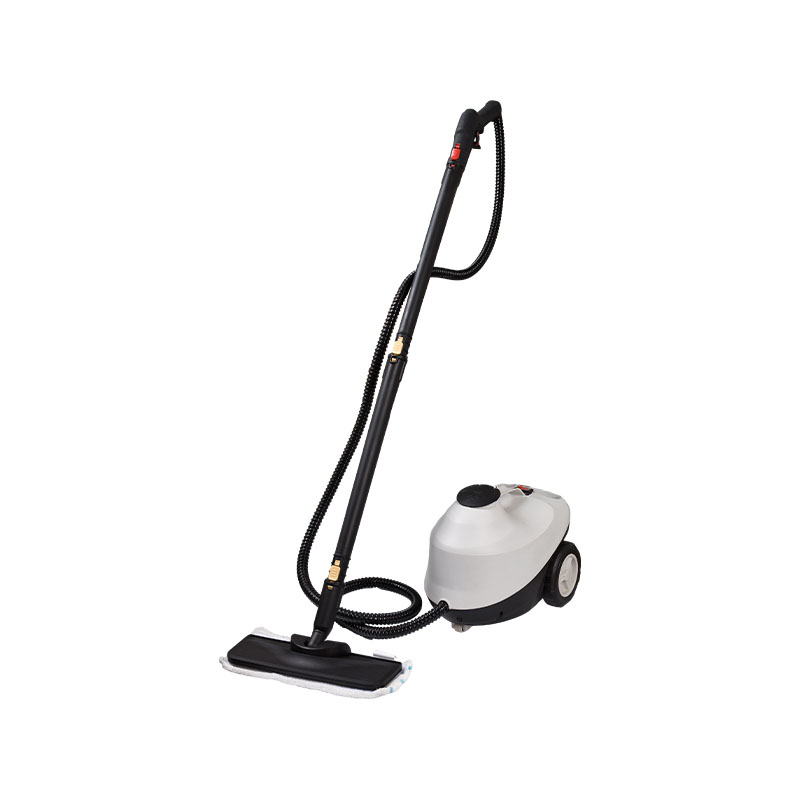
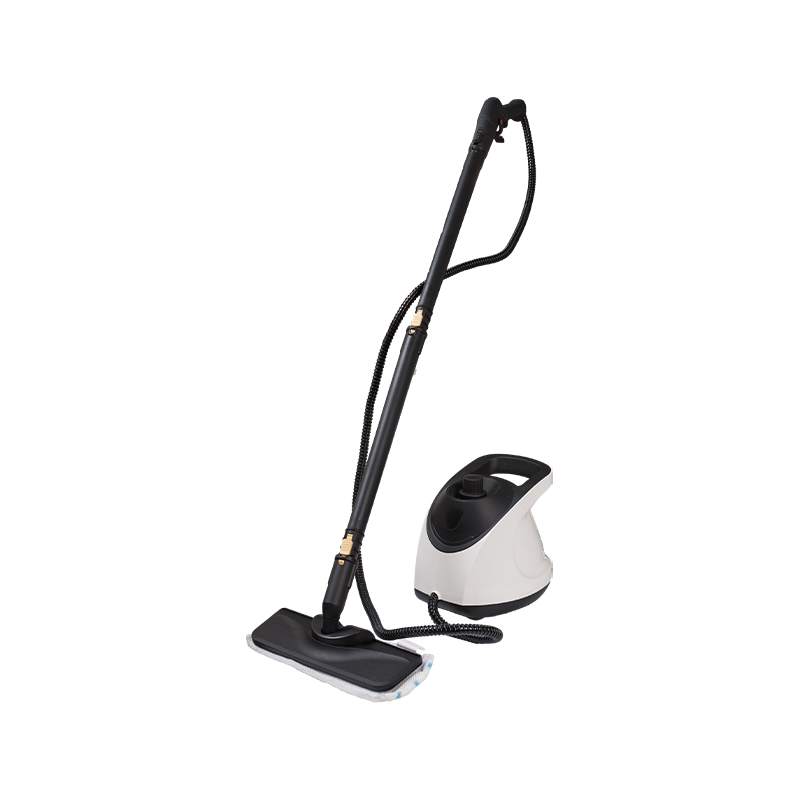
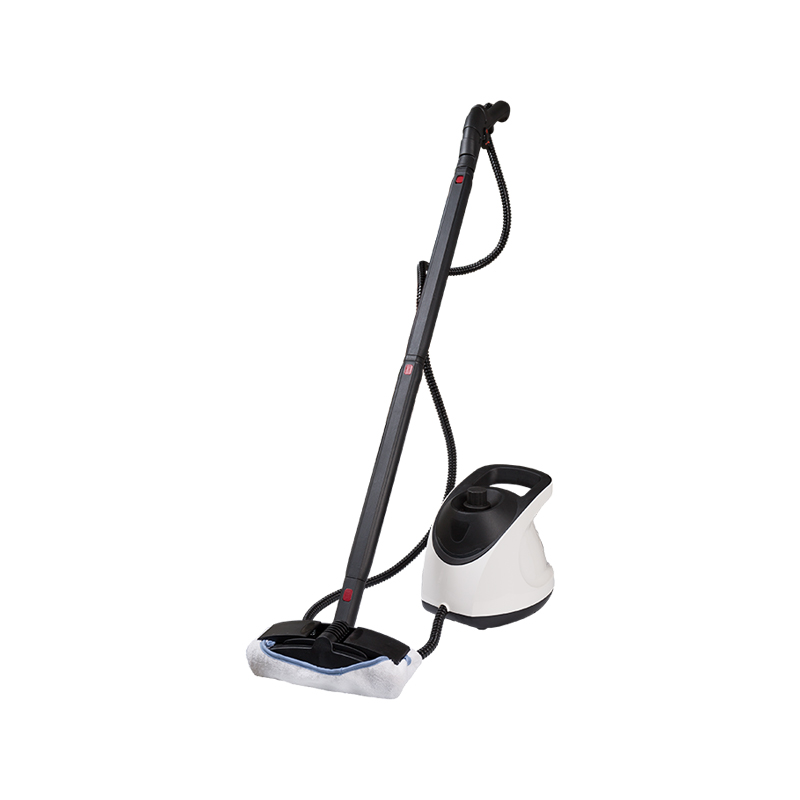
Portable clothes steamers have become one of the most practical garment care tools on the market, and it's easy to see why. They heat up in under a minute, require no ironing board, and can handle everything from a silk blouse to a heavy wool coat. As a manufacturer with over 29 years of experience producing steam appliances, we've seen how quickly buyers' expectations have evolved—and how much difference the right specifications make when you're choosing a unit for retail, wholesale, or private label.
This guide walks through the practical side of portable clothes steamers: how they work, which specs actually matter, how they compare across use cases, and what to watch for when evaluating a supplier or product range.
How a Portable Clothes Steamer Actually Works
The core mechanism is straightforward: a water reservoir feeds a heating element, which converts water into pressurized steam. That steam exits through a nozzle or soleplate and penetrates fabric fibers, relaxing them so wrinkles release. Unlike a conventional iron, there's no direct pressure applied to the fabric—which makes steam gentler and far less likely to cause shine marks or burn damage.
At temperatures between 100°C and 180°C (212°F–356°F), steam also disrupts odor molecules and kills a significant proportion of surface bacteria. Independent testing has shown that continuous steam exposure at these temperatures can eliminate up to 99% of common household bacteria and germs—which is why steamers are increasingly used not just for de-wrinkling, but for freshening garments between washes.
The main components buyers should understand:
- Water tank – Determines run time. Most handheld units range from 80 ml to 200 ml, giving 5 to 15 minutes of continuous steam.
- Heating element – Affects heat-up time and steam output consistency. Quality elements reach operating temperature in 30 to 45 seconds.
- Nozzle or head design – Influences coverage area and steam distribution. Wider heads work faster on large garments; narrow nozzles suit cuffs and collars.
- Power rating – Typically 1000W to 1800W for handheld models. Higher wattage generally means more steam output and faster wrinkle release.
Portable Clothes Steamer vs. Traditional Iron: A Direct Comparison
Buyers often ask whether a garment steamer can replace a traditional iron entirely. The honest answer depends on end use. Here's how they compare across the factors that matter most:
Comparison of portable clothes steamers and traditional irons across key performance criteria
| Criteria |
Portable Clothes Steamer |
Traditional Iron |
| Heat-up time |
30–45 seconds |
1–3 minutes |
| Ironing board required |
No |
Yes (recommended) |
| Delicate fabric safety |
High – no direct contact |
Moderate – risk of burns |
| Crease sharpness (e.g. trouser lines) |
Moderate |
High |
| Sanitizing / deodorizing |
Yes |
Limited |
| Travel / portability |
Excellent |
Poor |
| Curtains / upholstery use |
Yes, in place |
Impractical |
For most everyday garment care—especially travel, hotel use, or households without space for an ironing setup—a portable steamer is the more practical tool. For precision pressing of formal wear with sharp creases, a traditional iron still has an edge.
Key Specifications That Determine Real-World Performance
Not all steamers marketed as "portable" perform equally. From a manufacturing standpoint, these are the specs that have the most direct impact on user experience:
Wattage and Steam Output Rate
Wattage determines how quickly water converts to steam and how much steam the unit can produce per minute. A 1250W unit typically delivers around 25–30 g/min of steam, while an 1800W model can reach 35–45 g/min. For users who need to work through several garments quickly—retail staff preparing displays, for example—higher steam output measurably reduces task time.
Heat-Up Time
This is one of the top purchase criteria in consumer surveys. Models that reach steaming temperature in under 40 seconds consistently outperform in user satisfaction ratings compared to those requiring 90 seconds or more. The difference comes down to heating element design and thermal insulation within the boiler chamber.
Water Tank Capacity and Refill Design
A 100 ml tank at medium steam output lasts roughly 6–8 minutes before refilling is needed. For commercial or high-volume use, tanks of 150 ml and above are strongly preferable. Equally important is whether the unit can be refilled while hot—some designs allow continuous top-up without switching off, which significantly improves workflow efficiency.
Ergonomics and Weight
A steamer used for 10–15 minutes at a time needs to sit comfortably in the hand. Most quality handheld units weigh between 400g and 700g when filled. Weight distribution matters as much as total weight—a well-balanced unit reduces wrist fatigue considerably during extended use.
Which Fabrics Work Best With a Portable Steamer
One of the most common questions we hear from buyers is which fabrics are safe to steam. The short answer: most natural and synthetic fabrics respond well to steam, but a few require caution.
- Cotton and linen – Excellent results. Steam penetrates these dense fibers effectively and wrinkles release quickly.
- Wool and cashmere – Very well suited to steaming; steam relaxes fibers without the risk of flattening the pile the way a hot iron can.
- Silk – Works well at lower steam settings; direct contact from nozzle should be avoided to prevent water spotting.
- Polyester and blends – Generally safe; check manufacturer guidance on temperature settings to avoid distortion.
- Velvet and embroidered fabrics – Steam from a distance is recommended to preserve texture and embellishments.
- Leather and suede – Not recommended; moisture can permanently damage these materials.
- Waxed or coated fabrics – Avoid steaming; heat can strip protective coatings.
For buyers sourcing steamers for hospitality or garment retail, models with adjustable steam settings are particularly valuable—they allow staff to use a single tool across a wide range of fabric types without risk of damage.
Practical Use Cases Beyond Clothing
Portable clothes steamers are often marketed narrowly as garment tools, but their applications extend considerably further. Buyers sourcing for B2B channels—hotels, rental properties, retail stores, e-commerce brands—should factor in this versatility when evaluating SKUs.
- Curtains and drapes – Can be steamed in place without removal, saving considerable time in hotel housekeeping or property staging.
- Upholstered furniture – Steam refreshes fabric sofas and chairs, removing odors and surface wrinkles without disassembly.
- Bedding – Pillowcases, duvet covers, and fitted sheets respond well to a quick steam pass, particularly useful for guest room preparation.
- Retail garment display – Fashion retailers use steamers to prepare floor stock and window displays; professional-grade units are essential for high-volume environments.
- Travel use – Compact steamers with folding handles and dual-voltage support (100V–240V) are increasingly in demand for frequent travelers.
What to Evaluate When Sourcing From a Manufacturer
For importers, retailers, and OEM/ODM buyers, product specification is only part of the picture. These are the supplier-side factors that matter most:
Certifications
Any steamer sold in the EU, North America, or major Asian markets must carry the appropriate safety certifications. For the EU, look for CE and GS marks. For North America, ETL or UL certification is required. In China, CQC is the equivalent. A supplier unable to provide certified products for your target market is a significant compliance risk—verify documentation before placing orders.
OEM/ODM Capability
If you're building a private label range, confirm that the manufacturer has genuine in-house R&D capacity—not just the ability to put a logo on an existing product. Suppliers with their own engineering teams can accommodate specification changes, custom water tank sizes, cord lengths for specific markets, and packaging requirements without relying on third-party mold holders.
Testing Infrastructure
Manufacturers with on-site testing labs can catch quality issues before shipment rather than after. Key tests for steamers include thermal runaway protection, water leakage resistance, continuous steam output stability, and electrical safety under load. Ask to see test reports, not just certifications.
Export History and Market Knowledge
A supplier exporting to 100+ countries will have practical experience with market-specific requirements—voltage differences, plug types, labeling regulations, and retail packaging standards—that a domestic-focused manufacturer may not. This experience directly reduces the administrative burden on the buyer and lowers the risk of shipments held at customs.
If you're looking for a manufacturer that meets these criteria, we produce a full range of portable clothes steamers designed for both consumer and commercial markets, with CE, GS, ETL, and CQC certifications across our product line.
Common Mistakes Buyers Make When Selecting a Portable Steamer
After working with importers and distributors across more than 100 countries, we've noticed a few patterns in purchasing decisions that lead to disappointment or returns:
- Prioritizing price over wattage. Low-priced units often cut corners on the heating element, resulting in inconsistent steam output and short product lifespans. A steamer that stops producing consistent steam after 3 months creates returns and brand damage.
- Ignoring heat-up time in product specs. Buyers sometimes focus on tank size and wattage but overlook heat-up time, which is the single most cited complaint in negative consumer reviews for garment steamers.
- Not testing with target fabrics. A steamer that performs well on cotton may water-spot silk or distort polyester blends at maximum settings. Always request samples and test across the fabric types your end customers will actually use.
- Overlooking cord length for the intended market. A 1.5m cord is adequate for desktop use but impractical in a retail environment where the steamer may need to reach garments on a high rail. Standard cord lengths vary significantly between manufacturers.
- Assuming dual voltage without confirmation. Not all portable steamers support both 110V and 220V. Ordering a single-voltage unit for a multi-market distribution is a costly mistake.
How to Use a Portable Clothes Steamer Effectively
For end users and for buyers writing product guides or instruction materials, here's a concise overview of best practice:
- Fill with cold water only – never hot water, which can damage the heating element and may void warranty.
- Allow full heat-up before steaming – starting before the unit reaches operating temperature results in water spitting rather than clean steam.
- Hang garments vertically – gravity assists the steaming process; working on flat surfaces is less effective.
- Move the nozzle in a downward sweeping motion – this follows the direction fabric fibers naturally fall and produces better results than circular or upward strokes.
- Hold the nozzle 1–2 cm from the fabric – direct contact can leave water marks on delicate materials.
- Empty the tank after each use – residual water left in the tank encourages scale build-up, which progressively reduces steam output over time.
- Use distilled or filtered water in hard water areas – limescale is the primary cause of reduced steamer performance and shortened product life.

 English
 中文简体
中文简体