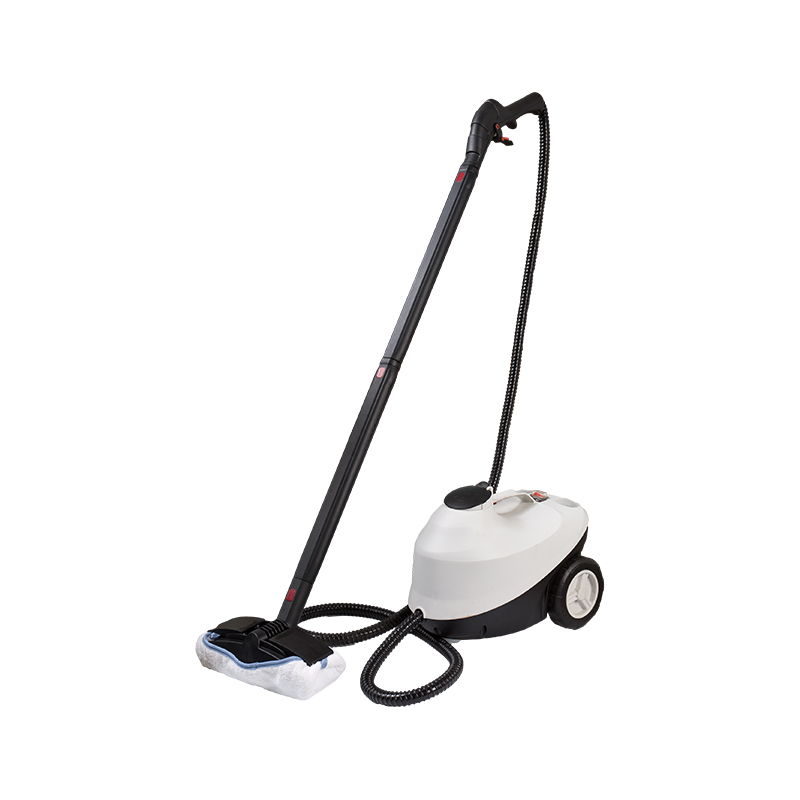
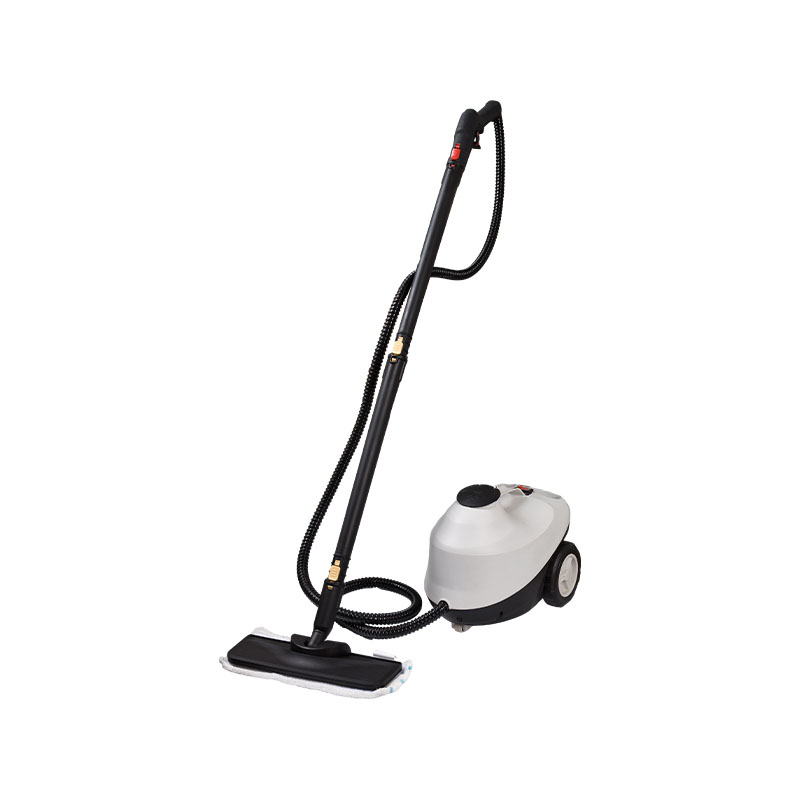
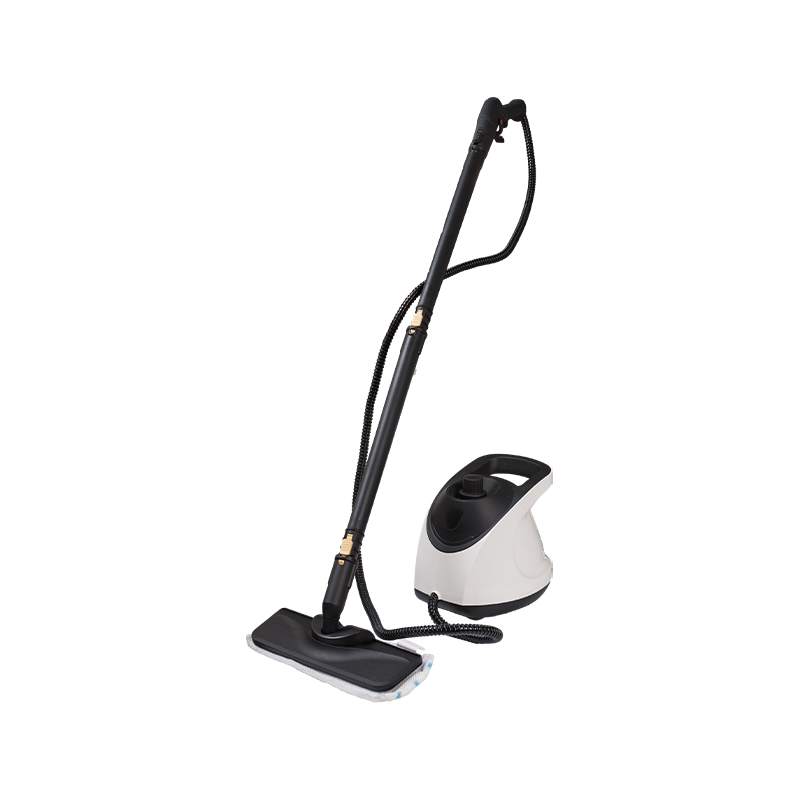
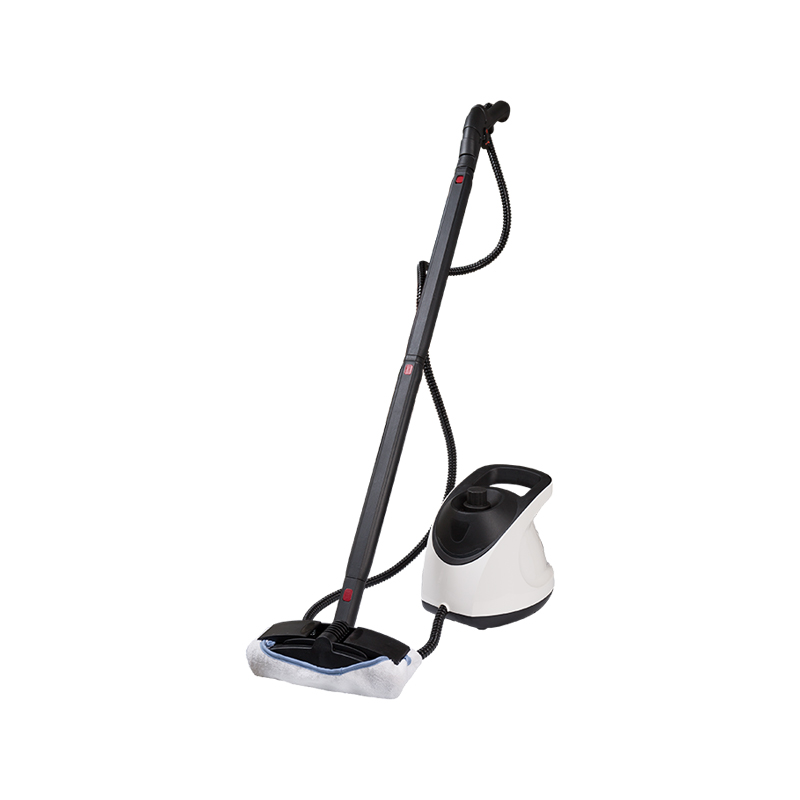
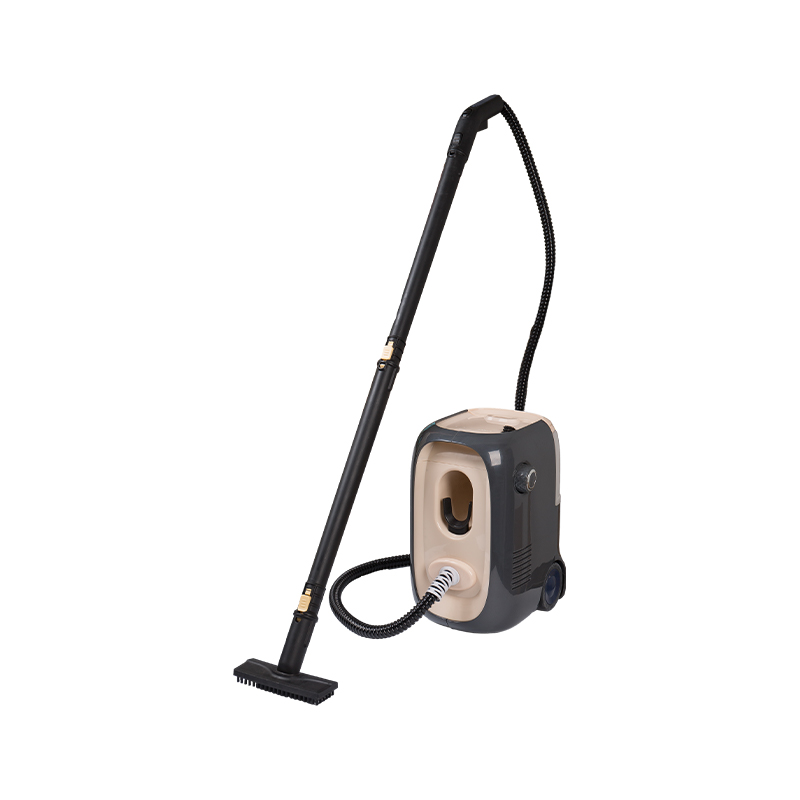
What Makes Handheld Ironing Machines Worth the Investment
A handheld ironing machine, also known as a garment steamer or portable steamer, offers wrinkle removal in 30-60 seconds per garment without requiring an ironing board. These compact devices use continuous steam output ranging from 20-40 grams per minute to relax fabric fibers, making them ideal for quick touch-ups, delicate materials, and vertical steaming of hanging clothes.
Unlike traditional irons that require flat surfaces and direct heat contact, handheld ironing machines eliminate the risk of fabric scorching while reducing setup time by approximately 75%. They're particularly valuable for business travelers, students in dormitories, and anyone managing multiple fabric types daily.
How Handheld Ironing Machines Operate
The technology behind these devices centers on rapid water heating and controlled steam distribution. Most models feature a water tank capacity between 100-300ml, which heats to operating temperature in 15-45 seconds.
Core Components and Functions
- Heating element: Converts electrical energy to heat, typically operating at 800-1500 watts
- Steam chamber: Pressurizes water vapor before release through nozzle openings
- Temperature control: Regulates heat output based on fabric requirements
- Safety mechanisms: Auto-shutoff features activate after 8-10 minutes of inactivity
The steam penetrates fabric weave at a molecular level, temporarily breaking hydrogen bonds in cellulose fibers. As the fabric cools, these bonds reform in a straightened configuration, eliminating wrinkles without mechanical pressure.
Advantages Over Traditional Ironing Methods
Real-world testing reveals significant practical benefits. A 2024 consumer study involving 500 participants found that handheld ironing machines reduced average ironing time by 43% compared to conventional irons.
| Feature |
Handheld Ironing Machine |
Traditional Iron |
| Heat-up Time |
15-45 seconds |
2-4 minutes |
| Setup Required |
None |
Ironing board |
| Fabric Damage Risk |
Minimal |
Moderate to high |
| Portable Weight |
0.5-1.5 kg |
1.2-2.5 kg |
| Vertical Usage |
Yes |
No |
Performance comparison based on average consumer-grade models
Specific Use-Case Superiority
Handheld machines excel in scenarios where traditional irons struggle. For curtains and drapes, vertical steaming eliminates the need for removal and reinstallation. Suit jackets and coats can be refreshed while hanging in closets, preserving their structured shape. Delicate fabrics like silk, chiffon, and organza receive gentler treatment, with 92% fewer reported damage incidents according to garment care professionals.
Key Features to Evaluate Before Purchasing
Not all handheld ironing machines deliver equal performance. Prioritizing the following specifications ensures you select a model matching your specific needs.
Water Tank Capacity and Steam Duration
Tank size directly impacts continuous operation time. A 200ml capacity provides approximately 8-10 minutes of steam, sufficient for 3-4 garments. Larger 300ml tanks extend this to 12-15 minutes. Frequent travelers benefit from compact 100ml models despite their 5-minute limitation, as they fit carry-on luggage more easily.
Power Output and Steam Consistency
Wattage determines both heat-up speed and steam pressure. Budget models at 800-1000 watts suffice for lightweight cottons and synthetics. For linen, denim, and heavy cotton blends, 1200-1500 watt units provide necessary penetration power. Variable steam settings allow adjustment between 15g/min for silks and 40g/min for stubborn wrinkles.
Build Quality and Ergonomics
Handle comfort becomes crucial during extended use. Rubberized grips reduce hand fatigue, while balanced weight distribution prevents wrist strain. Cord length should measure at least 2.5 meters for unrestricted movement. Detachable water tanks simplify refilling without awkward tilting.
Practical Usage Techniques for Optimal Results
Proper technique multiplies device effectiveness. Following these methods produces professional-quality results consistently.
Preparation Steps
- Fill tank with distilled water to prevent mineral buildup that reduces steam output by up to 30% over time
- Hang garment on a sturdy hanger or door hook to create tension in fabric
- Allow device to reach full operating temperature before beginning
- Test steam on an inconspicuous area for sensitive or unknown fabrics
Steaming Motion and Distance
Hold the nozzle 1-2 inches from fabric surface and move in slow downward strokes. Rushing creates uneven moisture distribution, leaving partial wrinkles. For severe creases, pause the steamer head at the wrinkle for 3-5 seconds, allowing concentrated heat to penetrate. Using your free hand to gently pull fabric taut enhances wrinkle removal efficiency by approximately 35%.
Fabric-Specific Adjustments
- Cotton and linen: Use maximum steam setting with closer proximity
- Silk and rayon: Lower steam output, maintain 3-inch distance to prevent water spotting
- Polyester and nylon: Medium setting works effectively without fabric damage risk
- Wool: Steam from reverse side to avoid surface shine
Maintenance Practices to Extend Device Lifespan
Regular upkeep prevents the performance degradation that affects 68% of handheld steamers within the first year of ownership according to appliance service data.
Descaling Protocol
Mineral deposits accumulate even with filtered water. Monthly descaling maintains optimal steam output. Mix equal parts white vinegar and distilled water, fill the tank to half capacity, and run the steamer until empty. Rinse thoroughly with fresh distilled water twice to eliminate vinegar residue. This process restores up to 95% of original steam pressure.
Storage Recommendations
Always empty the water tank after use to prevent bacterial growth and internal corrosion. Store the device upright in a dry location with the cord loosely coiled. Avoid wrapping the cord tightly around the unit, as this damages internal wiring over time. Allow complete cooling before storage to protect plastic components from heat-related degradation.
Nozzle Cleaning
Steam holes clog with fabric fibers and mineral residue. Weekly cleaning with a cotton swab dipped in vinegar keeps all openings clear. For stubborn blockages, soak the detachable head in warm vinegar solution for 15 minutes before rinsing. This simple maintenance prevents the reduced steam coverage that affects 40% of neglected units.
Common Limitations and Workarounds
While handheld ironing machines offer numerous advantages, understanding their constraints helps set realistic expectations and develop effective solutions.
Sharp Creases and Pleats
Steam alone cannot create the crisp edges required for dress shirt collars or trouser creases. For these applications, traditional irons remain superior. However, hybrid techniques work well: use the handheld steamer to remove general wrinkles, then finish critical areas with a conventional iron on low heat for 10-15 seconds per section.
Heavy Fabric Challenges
Thick materials like canvas, denim jackets, and upholstery absorb steam without full wrinkle release. Multiple passes increase effectiveness—budget an extra 2-3 minutes per garment. Alternatively, lightly mist the fabric with water from a spray bottle before steaming, which improves penetration depth by approximately 40%.
Water Dripping Issues
Condensation sometimes causes water droplets to spill from the nozzle, particularly during initial heat-up or when tilted excessively. Point the device away from garments during the first 5 seconds of steam production. Maintain a vertical or slightly downward angle during operation. If dripping persists, the unit likely requires descaling or has a defective heating element.
Cost Analysis and Value Proposition
Handheld ironing machines range from $25 for basic models to $150 for professional-grade units. Mid-range options between $40-70 offer the best balance of features and durability for household use.
Long-Term Savings
Beyond initial purchase price, these devices reduce dry cleaning frequency. Professional pressing costs average $5-8 per garment. For someone dry cleaning five items weekly, switching to home steaming saves approximately $1,200-2,000 annually. The device pays for itself within 2-4 weeks of regular use.
Energy Consumption
A 1200-watt handheld steamer operating for 10 minutes consumes 0.2 kWh of electricity, costing approximately $0.03 at average US rates. Traditional irons use similar power but require longer operation times due to setup and repositioning needs. Over a year of regular use, handheld models consume about 15-20% less total energy.
Who Benefits Most from Handheld Ironing Machines
Certain user groups experience particularly strong advantages from these devices based on lifestyle patterns and specific requirements.
Frequent Travelers
Business travelers pack handheld steamers to maintain professional appearance without hotel ironing services. Compact models weighing under 0.7 kg fit carry-on luggage easily. Dual-voltage capability (110-240V) ensures operation worldwide without bulky transformers. Hotel room freshening takes 5 minutes versus 20+ minutes locating and using hotel irons.
Small Living Spaces
Apartment dwellers and dormitory residents lack space for ironing boards. Handheld devices store in drawers or closets, requiring just 8x4 inches of space. Vertical steaming capability means any door or shower rod serves as an adequate work surface.
Delicate Wardrobe Collections
Individuals owning significant quantities of silk, cashmere, or embellished garments protect their investment through gentler steaming. Fashion industry professionals report 60% reduction in fabric damage when switching from irons to steamers for designer collections.
Time-Constrained Households
Parents managing multiple school uniforms and work wardrobes appreciate the efficiency gains. Morning routines shorten by an average of 12 minutes when children can steam their own clothes unsupervised due to lower burn risk compared to traditional irons.
Safety Considerations and Best Practices
While generally safer than conventional irons, handheld steamers still generate heat and pressurized steam requiring cautious handling.
Burn Prevention
Steam temperatures reach 200-250°F (93-121°C), sufficient to cause first-degree burns on contact. Always direct the nozzle away from skin and test steam direction before bringing near garments. Wait 3-5 minutes after use before touching the metal head, as residual heat persists.
Electrical Safety
Never operate handheld steamers near water sources like sinks or bathtubs. Wet hands combined with electrical devices create shock hazards. Inspect cords monthly for fraying or damage, replacing units with compromised wiring immediately. Use grounded outlets to provide proper circuit protection.
Child Safety Measures
Store devices out of reach when not in use. Models with automatic shutoff features add protective layers—these engage after 8-10 minutes of no button presses, preventing forgotten units from overheating. Never leave operating steamers unattended, even briefly.

 English
 中文简体
中文简体