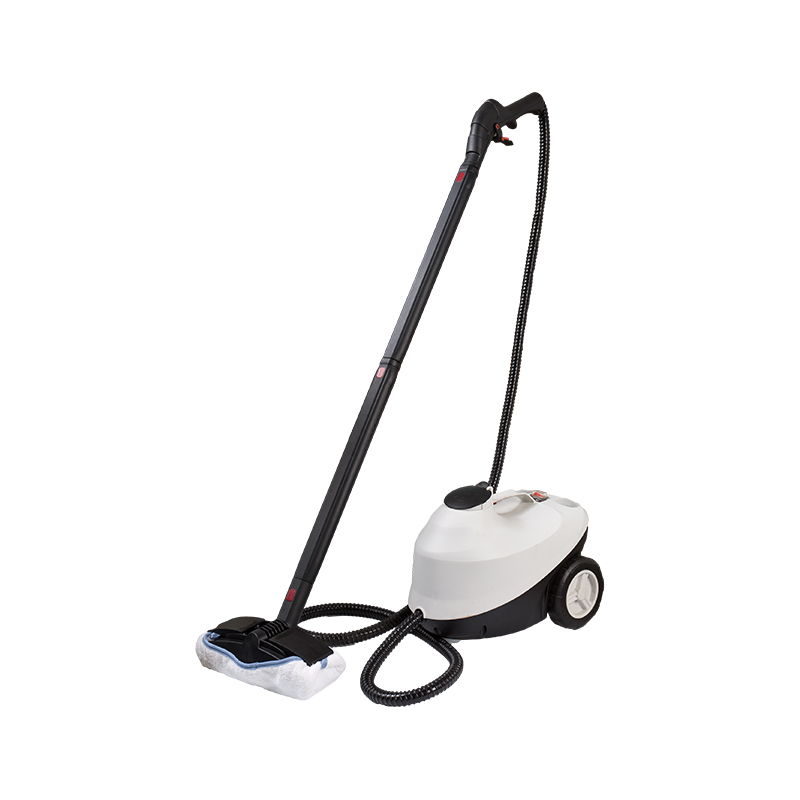
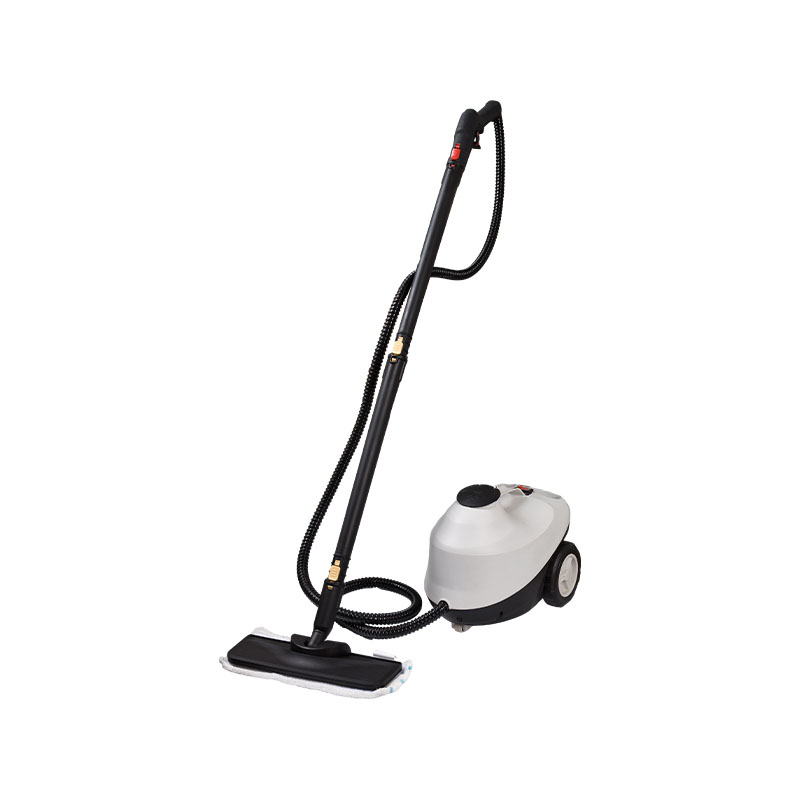
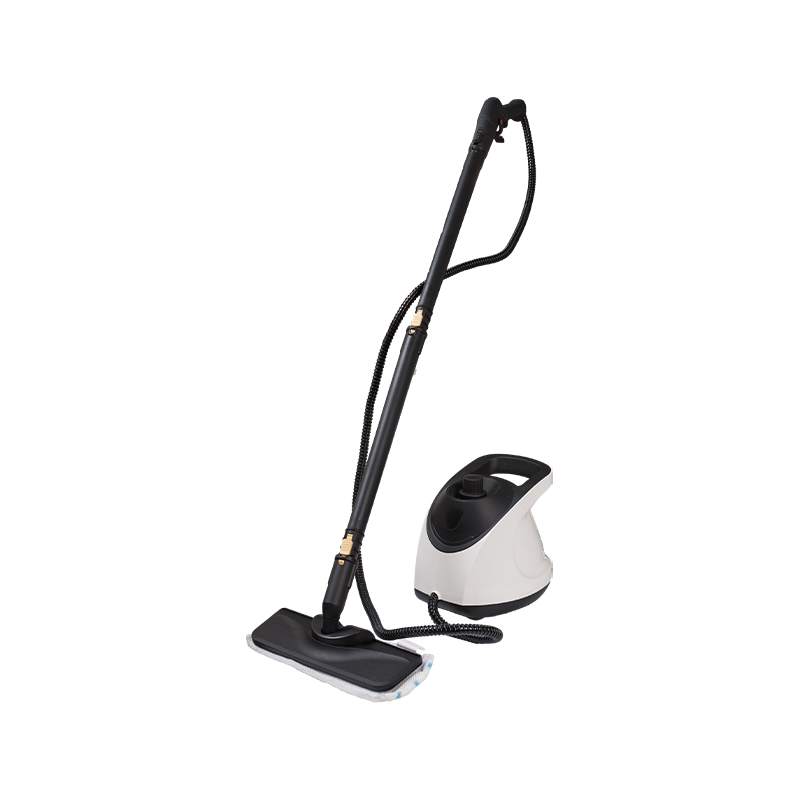
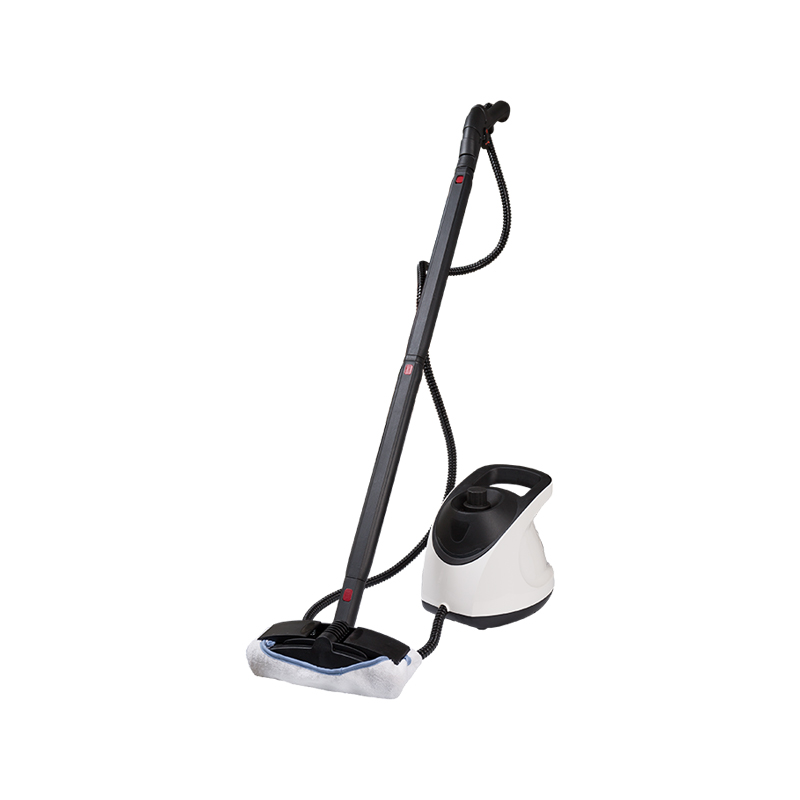
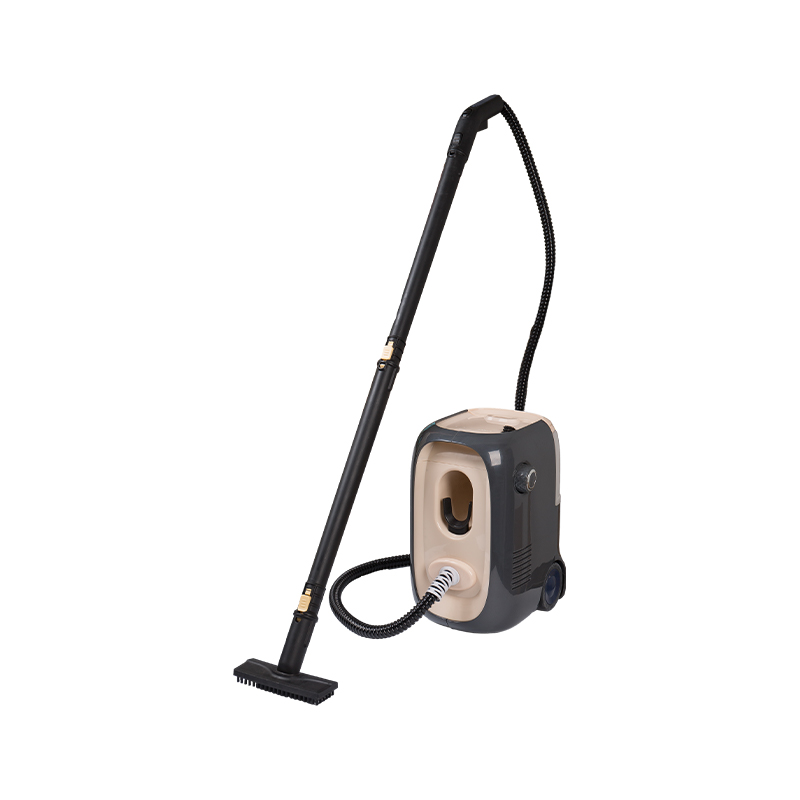
A steam mop is an electric cleaning device that uses high-temperature steam to clean and sanitize hard floor surfaces without chemicals. Unlike traditional mops that rely on cleaning solutions and manual scrubbing, steam mops heat water to approximately 212°F (100°C), producing pressurized steam that loosens dirt, kills bacteria, and dissolves grime on contact. The device typically features a water reservoir, heating element, and microfiber pad that absorbs the loosened debris while the steam does the heavy lifting.
Steam mops have become increasingly popular since their introduction in the early 2000s, with the global steam cleaner market reaching $3.2 billion in 2023 and expected to grow as more households seek eco-friendly cleaning alternatives. They're particularly effective on tile, hardwood, laminate, and vinyl flooring, offering a faster drying time compared to conventional mopping methods.
How Steam Mops Work
The operational mechanism of a steam mop combines simple physics with practical design. When you plug in the device and fill its reservoir with tap water, an internal heating element rapidly brings the water to boiling point within 30 seconds to 2 minutes, depending on the model's wattage and tank capacity.
Once heated, you trigger steam release through a pump mechanism—either by pressing a button continuously or using a pump-action handle. The steam travels through internal channels and exits through vents in the mop head, penetrating the microfiber cleaning pad and making direct contact with your floor surface.
The Steam Cleaning Process
- Heat breaks down molecular bonds in grease, sticky residues, and organic matter
- Moisture loosens embedded dirt from surface pores and grout lines
- The microfiber pad absorbs dissolved grime and excess moisture
- High temperature eliminates 99.9% of common household bacteria including E. coli, Salmonella, and Staphylococcus
Most steam mops produce "dry steam" with only 5-6% moisture content, meaning floors dry within 1-2 minutes after cleaning—a significant improvement over traditional wet mopping that can leave floors damp for 10-20 minutes.
Key Components and Features
Understanding what makes up a steam mop helps you evaluate different models and their capabilities. While designs vary by manufacturer, most steam mops share these essential components:
| Component |
Function |
Typical Specifications |
| Water Tank |
Holds water for steam generation |
300-500ml capacity |
| Heating Element |
Converts water to steam |
1200-1500 watts |
| Mop Head |
Distributes steam and holds pad |
Swivel 180° or rectangular fixed |
| Microfiber Pad |
Absorbs dirt and moisture |
Machine washable, 2-4 pads included |
| Power Cord |
Provides electricity |
15-25 feet long |
Standard steam mop components and their specifications
Advanced Features in Modern Models
Premium steam mops now include features that enhance usability and cleaning performance:
- Variable steam control: Adjusts steam output for different floor types and soil levels
- Detachable handheld steamer: Converts for cleaning countertops, windows, and upholstery
- Smart digital displays: Shows water level, steam readiness, and cleaning time
- Dual-sided pads: Allows continuous cleaning by flipping the pad without stopping
- Continuous steam technology: Maintains consistent steam output without pump action
Advantages of Using a Steam Mop
Steam mops offer several compelling benefits that explain their growing popularity among homeowners and professional cleaners alike.
Chemical-Free Sanitization
The most significant advantage is the elimination of chemical cleaners. Steam at 212°F kills 99.9% of germs and bacteria without introducing harsh chemicals into your home environment. This is particularly beneficial for households with children, pets, or family members with chemical sensitivities or respiratory conditions like asthma.
A 2022 study by the International Journal of Environmental Research found that steam cleaning reduced allergen levels by 87% compared to 54% with traditional chemical mopping.
Cost Efficiency
While the initial investment ranges from $50 to $200 depending on features, steam mops eliminate the ongoing expense of floor cleaning solutions. Average households spend $60-100 annually on floor cleaners, meaning a steam mop pays for itself within 1-3 years. The only recurring cost is replacement microfiber pads at approximately $10-15 for a 2-pack, with each pad lasting 50-100 washes.
Time Savings
Steam mops reduce cleaning time by eliminating multiple steps. You don't need to pre-mix solutions, make multiple passes for heavily soiled areas, or wait extended periods for floors to dry. Users report cleaning 1,000 square feet in 15-20 minutes versus 30-40 minutes with traditional methods.
Environmental Benefits
By using only tap water, steam mops eliminate plastic bottle waste from cleaning products and prevent chemical runoff into water systems. A typical household using a steam mop instead of bottled cleaners prevents approximately 12-20 plastic bottles annually from entering landfills.
Suitable Floor Types and Limitations
While steam mops are versatile, they're not appropriate for every flooring type. Understanding compatibility prevents damage and ensures optimal cleaning results.
Safe for Steam Mopping
- Ceramic and porcelain tile: Ideal surfaces that withstand high heat and benefit from grout sanitization
- Sealed hardwood: Safe when using low steam settings and avoiding prolonged exposure in one spot
- Laminate flooring: Compatible with most quality laminates when manufacturer approves steam cleaning
- Vinyl and linoleum: Excellent candidates for steam cleaning with no special precautions needed
- Natural stone (sealed): Granite, marble, and slate are safe when properly sealed and maintained
Unsuitable or High-Risk Surfaces
- Unsealed hardwood: Moisture can penetrate wood grain causing warping, cupping, or finish damage
- Waxed floors: Heat melts and redistributes wax coating, creating uneven appearance
- Cork flooring: Sensitive to moisture and heat, which can cause expansion and deterioration
- Carpet: Standard steam mops aren't designed for carpet cleaning (though some models include carpet glider attachments)
Before using a steam mop on any floor, check your flooring manufacturer's warranty and care guidelines. Some warranties explicitly prohibit steam cleaning and will void coverage if damage occurs.
Choosing the Right Steam Mop
The steam mop market offers numerous options at various price points. Selecting the right model depends on your specific cleaning needs, home size, and budget.
Essential Factors to Consider
Heat-up time: Entry-level models take 45-90 seconds, while premium units achieve steam-ready status in 20-30 seconds. For quick cleanups, faster heat-up is worth the investment.
Tank capacity: Larger tanks (450-500ml) allow cleaning 1,200-1,500 square feet on a single fill, while smaller tanks (300ml) cover approximately 600-800 square feet. Consider your home's total hard flooring area.
Steam control: Variable steam settings provide flexibility for different cleaning challenges. Light steam works for routine maintenance, while maximum steam tackles stubborn, baked-on messes.
Weight: Steam mops range from 4 to 10 pounds when filled with water. Lighter models reduce fatigue during extended cleaning sessions, especially important if you have multiple floors or mobility concerns.
Price Categories and Expectations
| Price Range |
Features |
Best For |
| $50-80 |
Basic steam, fixed output, small tank |
Apartments, light cleaning |
| $80-130 |
Variable steam, larger tank, swivel head |
Medium homes, regular use |
| $130-200+ |
Multiple attachments, handheld function, digital controls |
Large homes, heavy-duty cleaning |
Steam mop price categories and corresponding features
Proper Usage and Maintenance
Maximizing your steam mop's effectiveness and lifespan requires following correct operating procedures and maintaining the device properly.
Step-by-Step Operating Instructions
- Sweep or vacuum first: Remove loose dirt, hair, and debris to prevent mud formation
- Fill the tank: Use distilled water to prevent mineral buildup, especially in hard water areas
- Attach clean pad: Ensure microfiber pad is securely fastened to mop head
- Power on and wait: Allow device to reach operating temperature (indicator light shows readiness)
- Clean in sections: Work in 4x4 foot areas using slow, overlapping passes
- Avoid excessive saturation: Keep mop moving; don't hold in one spot for more than 3-4 seconds
- Flip or replace pad: When pad becomes visibly soiled, flip to clean side or replace entirely
Maintenance Requirements
After each use: Empty remaining water from tank, remove and wash microfiber pad in hot water without fabric softener, and allow mop to cool completely before storage.
Monthly: Descale the heating element by running a 50/50 white vinegar and water solution through the system, then flush with plain water twice. This prevents mineral deposits that reduce steam output and can damage the heating element.
Every 3-6 months: Replace microfiber pads when they show wear, thinning, or reduced absorbency. Worn pads leave streaks and don't effectively trap dirt.
Proper maintenance extends your steam mop's operational life to 5-7 years on average, compared to 2-3 years for poorly maintained units.
Common Questions and Misconceptions
Do Steam Mops Actually Clean or Just Sanitize?
Steam mops both clean and sanitize. The heat and moisture combination loosens and dissolves dirt, while the microfiber pad physically removes it from the surface. The high temperature simultaneously kills bacteria and germs. However, steam mops work best for regular maintenance cleaning. Heavily soiled floors benefit from pre-treatment or initial traditional mopping before transitioning to steam mop maintenance.
Can You Add Cleaning Solutions to Steam Mops?
Most manufacturers explicitly prohibit adding any substances to the water tank except distilled water. Cleaning solutions, essential oils, or fragrances can damage internal components, void warranties, and create potentially harmful fumes when heated. Some brands offer proprietary cleaning solution bottles that work separately from the steam function, but never mix additives directly into the water reservoir.
How Do Steam Mops Compare to Traditional Mops?
Steam mops excel at sanitization, dry time, and convenience for routine cleaning. Traditional mops provide more aggressive scrubbing action and are better for heavily soiled floors or large commercial spaces. The ideal approach for many households is using both: traditional mopping for deep cleaning sessions every few weeks, and steam mopping for quick, chemical-free maintenance cleaning 2-3 times weekly.

 English
 中文简体
中文简体