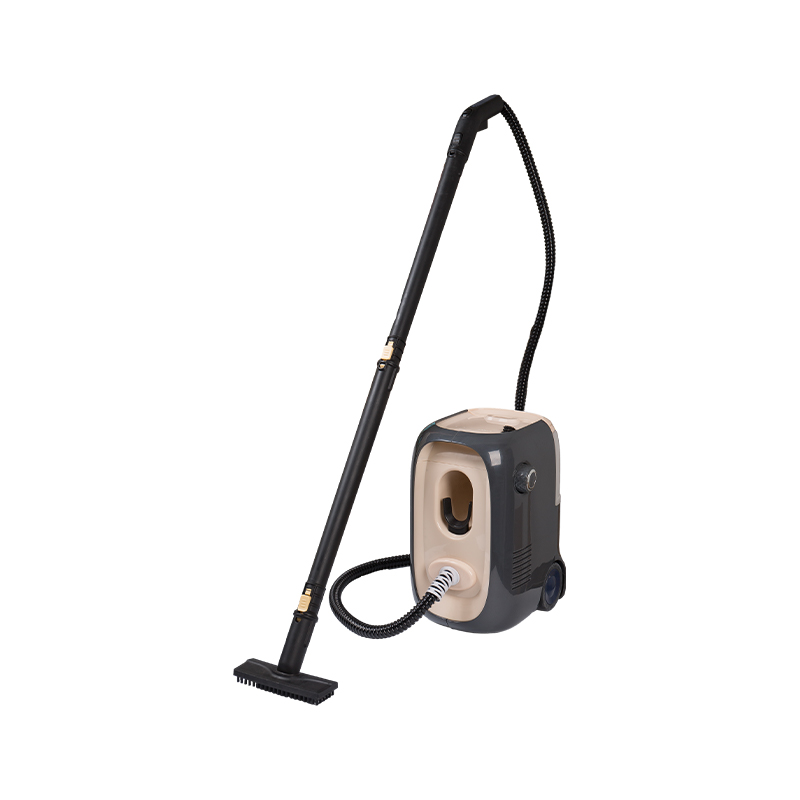
How Carpet Cleaners Work to Remove Deep Dirt and Stains
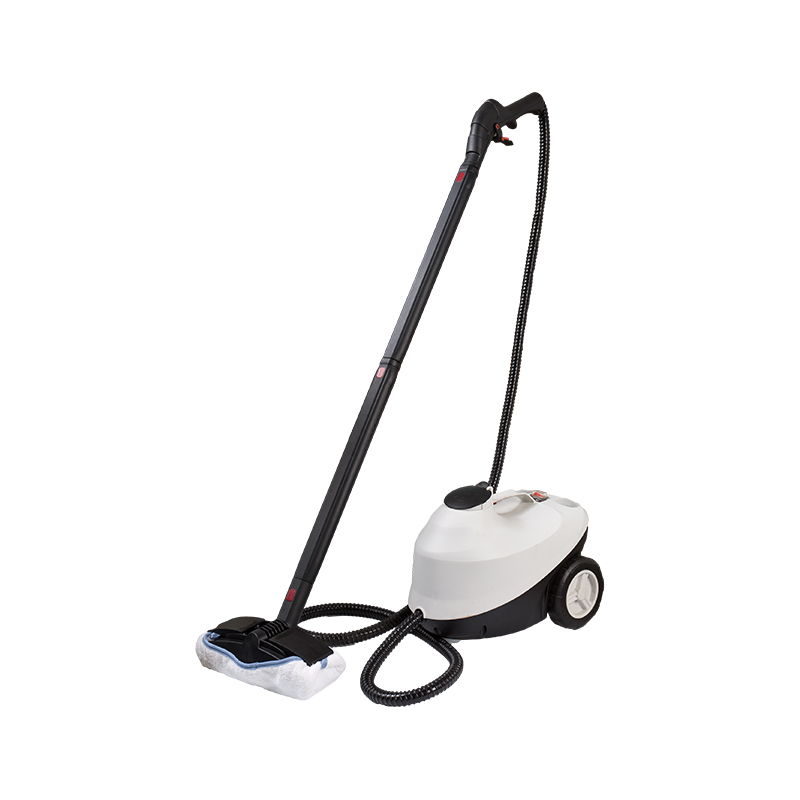
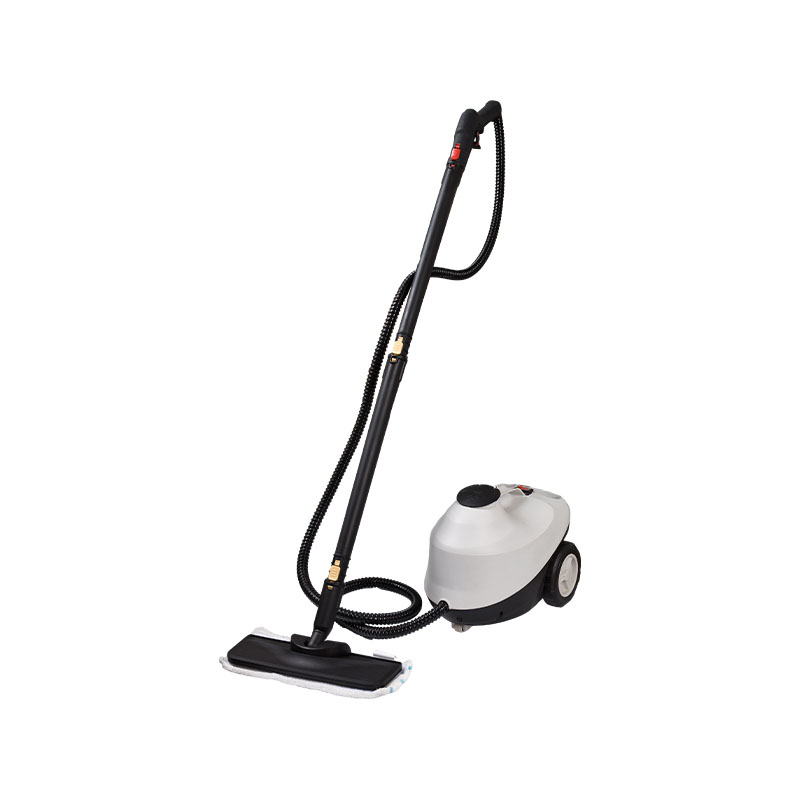
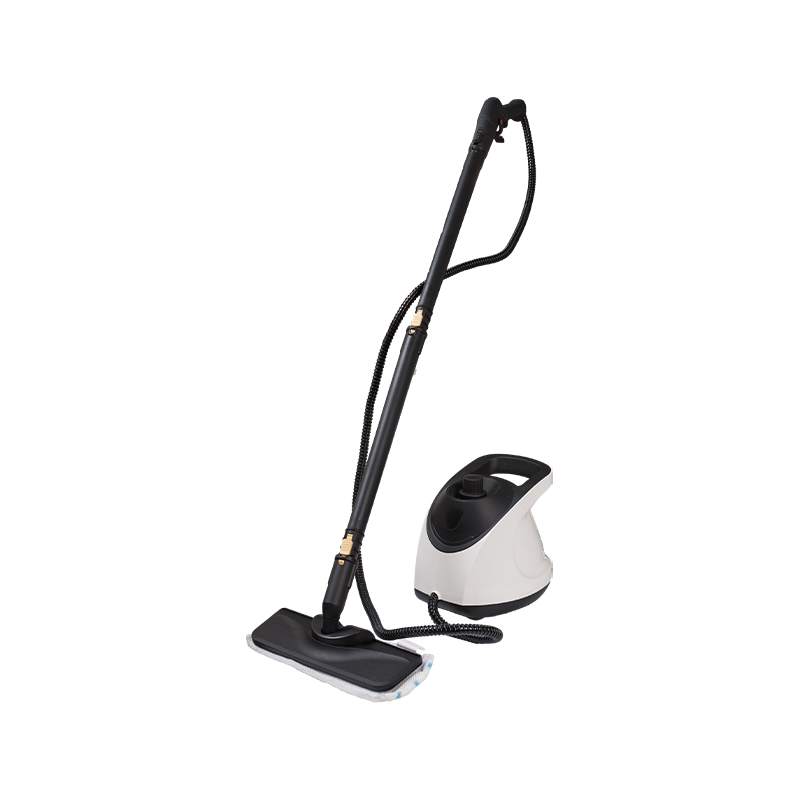
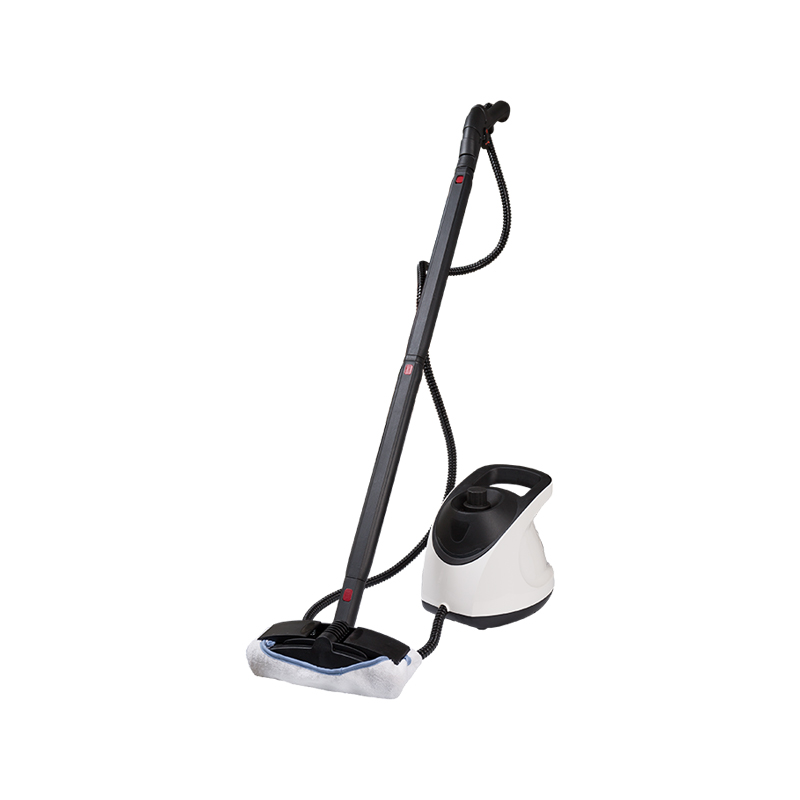
Carpet cleaners are designed to penetrate deep into carpet fibers, lifting embedded dirt, allergens, and stains that regular vacuuming cannot reach. Most carpet cleaning machines use a combination of water, cleaning solution, and mechanical brushing to loosen debris before extracting it with strong suction. This process is commonly known as deep carpet cleaning and is especially effective for high-traffic areas, pet messes, and long-term buildup.
Modern carpet cleaners often include heated water systems to improve stain removal and kill bacteria. By maintaining consistent moisture control and extraction power, these machines prevent over-wetting, which can otherwise lead to mold growth or lingering odors.
Key Components of a Carpet Cleaning Machine
- Solution tank for clean water and detergent
- Rotating brushes to agitate fibers
- Powerful suction motor for moisture extraction
- Dirty water reservoir to collect debris
Steam Cleaners vs Carpet Shampooers: Which Is Better?
Steam carpet cleaners and shampoo machines are the two most popular options for home and professional use. Steam cleaners rely on hot water vapor to loosen dirt, while shampooers use foamy detergents combined with scrubbing brushes. Each approach has distinct advantages depending on carpet type and cleaning goals.
| Feature |
Steam Cleaner |
Shampooer |
| Cleaning Method |
Hot water extraction |
Foam and brushing |
| Drying Time |
Faster |
Longer |
| Best For |
Deep stains, allergens |
Surface dirt, odors |
For most households, steam carpet cleaners provide more thorough results and quicker drying, making them the preferred choice for routine deep cleaning.
Choosing the Right Carpet Cleaner for Your Home
Selecting the best carpet cleaner depends on carpet material, home size, and specific cleaning challenges. Homes with pets or children benefit from machines with strong suction and specialized pet stain remover attachments.
Important Buying Factors
- Brush strength and rotation speed
- Tank capacity for large rooms
- Attachment tools for upholstery and stairs
- Weight and maneuverability
Lightweight portable models work well for apartments, while full-size carpet cleaning machines are ideal for multi-room deep cleans.
Step-by-Step Guide to Deep Carpet Cleaning at Home
Using a carpet cleaner properly ensures maximum stain removal and long-lasting freshness. Preparation and technique play a crucial role in achieving professional-level results.
Effective Cleaning Process
- Vacuum thoroughly to remove loose dirt
- Pre-treat visible stains with carpet stain remover
- Move the cleaner slowly over each section
- Allow carpets to dry fully before walking
Slow overlapping passes allow the brushes to work deeply into fibers while extracting maximum moisture for quicker drying.
Removing Common Carpet Stains with Specialized Cleaners
Different stains require targeted cleaning solutions. Using the right product prevents discoloration and fiber damage while boosting cleaning efficiency.
Stain Treatment Tips
- Pet stains: enzyme-based cleaners break down odors
- Grease: use warm water and degreasing solutions
- Wine or coffee: blot immediately and apply oxygen cleaner
- Mud: let dry before vacuuming and shampooing
Prompt treatment prevents stains from bonding permanently to carpet fibers.
DIY Carpet Cleaning vs Professional Services
Home carpet cleaners offer convenience and cost savings, while professional carpet cleaning delivers industrial-grade power for heavily soiled carpets. Understanding when each option works best helps maintain long-term carpet health.
| Aspect |
DIY Cleaning |
Professional Service |
| Cost |
Low long-term |
Higher per visit |
| Convenience |
Anytime |
Scheduled |
| Cleaning Power |
Moderate |
Industrial strength |
Many homeowners combine both methods by using home machines for regular maintenance and professionals once or twice a year.
Maintaining Carpet Cleaners for Long-Term Performance
Proper maintenance keeps carpet cleaning machines functioning efficiently and extends their lifespan. Neglecting cleaning can lead to clogs, odors, and reduced suction.
Essential Maintenance Practices
- Empty dirty water tank after every use
- Rinse brushes to remove hair and residue
- Clean filters monthly
- Store in dry, ventilated space
Routine upkeep prevents bacteria buildup and keeps your carpet cleaner performing like new.
How Often Should You Deep Clean Your Carpets?
Cleaning frequency depends on foot traffic, pets, and indoor air quality goals. Regular deep carpet cleaning improves appearance and reduces allergens.
- Low traffic homes: every 12 months
- Homes with pets: every 3–6 months
- High traffic areas: every 2–3 months
Consistent maintenance preserves carpet fibers and extends overall flooring lifespan.

 English
 中文简体
中文简体