Understanding How Steam Cleaners Work in Real-World Applications
Steam cleaners use high-temperature vapor to loosen dirt, dissolve grease, and kill bacteria without relying on chemical detergents. Water is heated inside a sealed boiler until it converts into pressurized steam, which is then released through a nozzle or attachment. The combination of heat, pressure, and controlled moisture allows steam cleaners to penetrate porous and non-porous surfaces, making them effective for both sanitation and deep cleaning. In practical use, steam temperature typically exceeds 100°C, which is sufficient to break down organic residues and neutralize many common pathogens.
Key Types of Steam Cleaners and Their Practical Uses
Choosing the right steam cleaner depends on cleaning frequency, surface type, and operating environment. Different designs focus on mobility, steam output, and attachment compatibility. Understanding these distinctions helps users avoid underpowered units or unnecessary features.
- Handheld steam cleaners are compact and suitable for spot cleaning tasks such as bathroom fixtures, kitchen sinks, and grout lines.
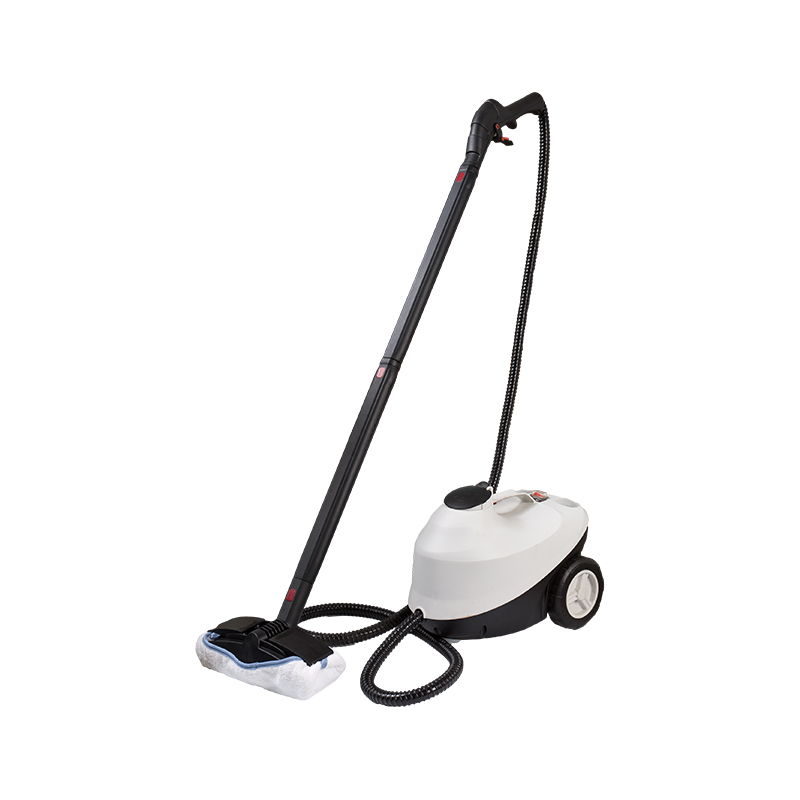
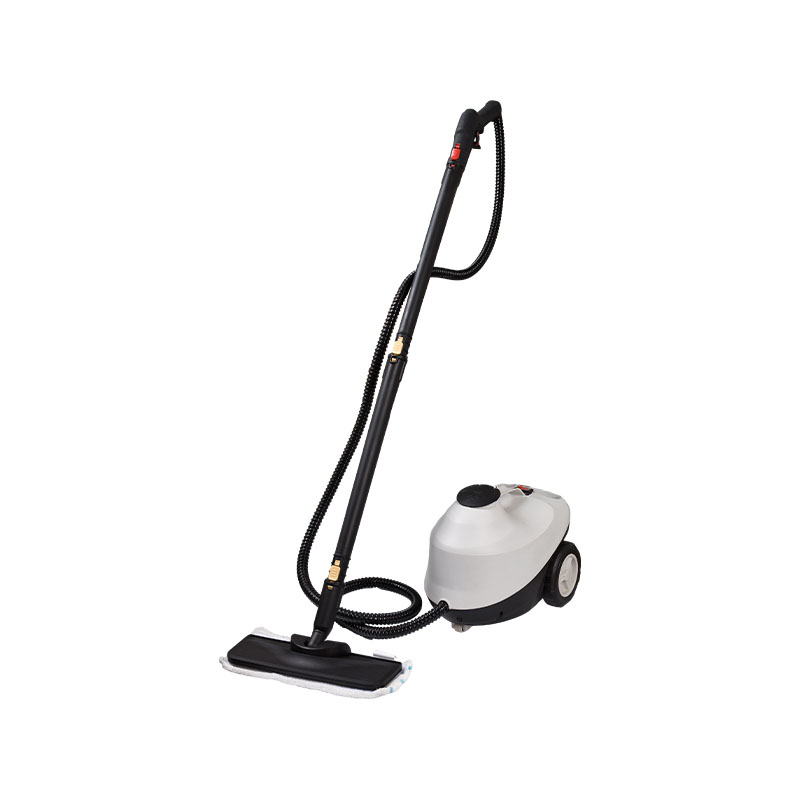
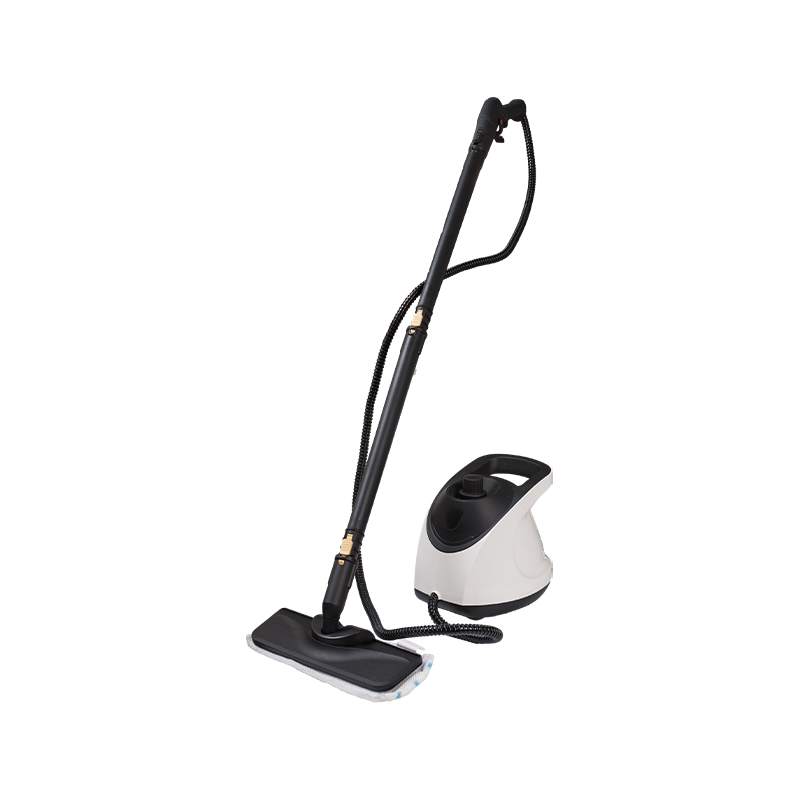
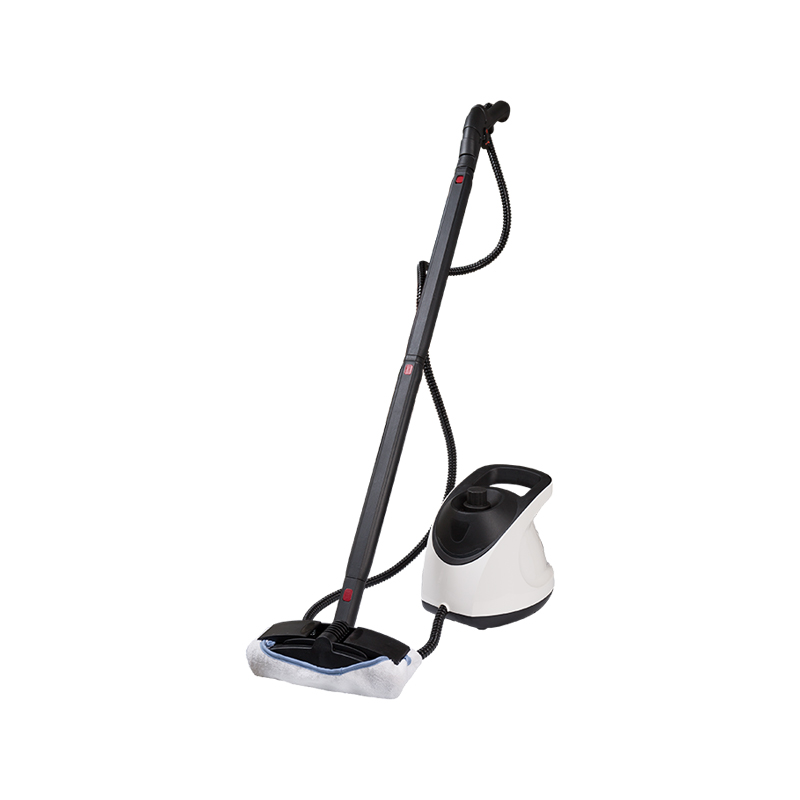
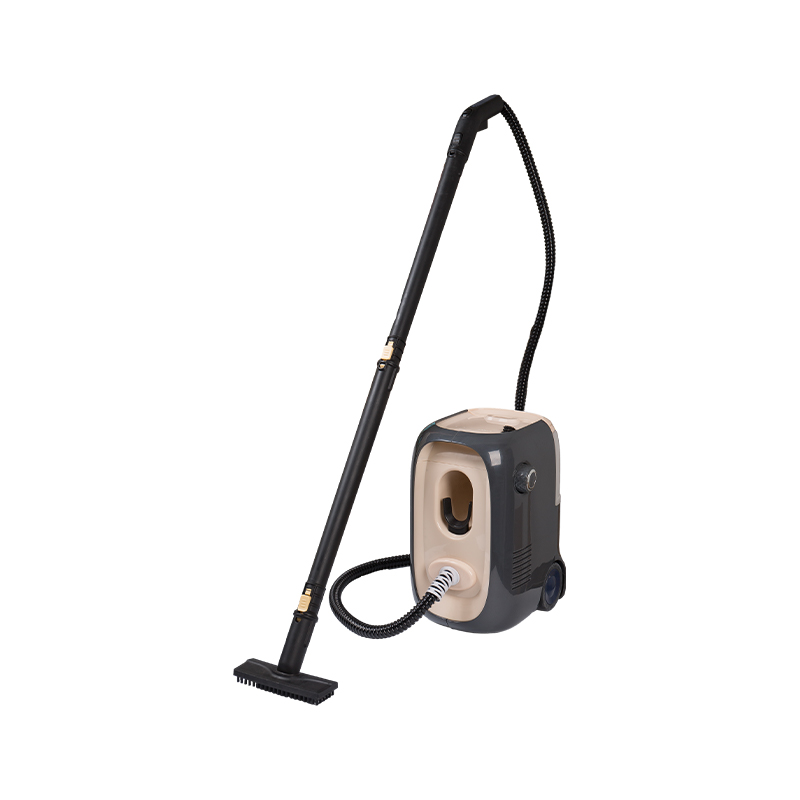
- Canister steam cleaners provide higher steam volume and longer run time, making them effective for floors, upholstery, and large surface areas.
- Steam mop systems are designed specifically for sealed hard floors, offering quick heat-up times and simple operation.
- Commercial steam cleaners deliver continuous steam output and higher pressure for industrial kitchens, hospitals, and automotive detailing.
Surfaces and Materials Best Suited for Steam Cleaning
Steam cleaners are highly effective when used on compatible materials. Because steam relies on heat and moisture, improper application can damage sensitive surfaces. Knowing what works well with steam ensures better results and longer surface life.
| Ceramic Tile & Grout |
Removes embedded dirt and mildew effectively |
| Sealed Hardwood Floors |
Safe with controlled moisture and quick passes |
| Stainless Steel |
Degreases and restores shine without chemicals |
| Upholstery & Curtains |
Refreshes fabric and removes odors |
Effective Steam Cleaning Techniques for Better Results
Using a steam cleaner correctly is just as important as selecting the right model. Pre-cleaning loose debris improves steam penetration, while proper nozzle selection ensures even heat distribution. For heavily soiled areas, allowing steam to dwell for several seconds helps loosen stubborn buildup before wiping.
- Start with the lowest effective steam setting to prevent surface damage.
- Use microfiber cloths to trap loosened dirt instead of spreading residue.
- Work in small sections to maintain consistent cleaning temperature.
Health, Hygiene, and Environmental Advantages
Steam cleaners appeal to households and businesses seeking chemical-free cleaning solutions. High-temperature steam can eliminate bacteria, dust mites, and allergens without leaving behind residues that trigger sensitivities. This makes steam cleaning particularly valuable for homes with children, pets, or individuals with respiratory concerns.
From an environmental perspective, steam cleaners reduce dependency on disposable wipes and chemical cleaners. Only water is required, lowering long-term costs and minimizing environmental impact while maintaining high sanitation standards.
Maintenance Practices That Extend Steam Cleaner Lifespan
Regular maintenance ensures consistent steam output and prevents internal scaling. Minerals in tap water can accumulate inside the boiler, reducing efficiency over time. Many manufacturers recommend distilled or demineralized water for optimal performance.
- Empty the water tank after each use to prevent stagnation.
- Descale the boiler periodically according to manufacturer guidelines.
- Clean attachments to maintain steam flow and hygiene.
Choosing the Right Steam Cleaner for Long-Term Value
When evaluating steam cleaners, focus on steam pressure, heat-up time, water tank capacity, and accessory versatility. Higher pressure improves cleaning speed, while larger tanks support uninterrupted operation. For frequent or commercial use, models with continuous refill systems and durable internal components offer better long-term value.
Balancing performance, maintenance requirements, and intended application ensures that the selected steam cleaner delivers consistent results without unnecessary complexity.

 English
 中文简体
中文简体