 English
 中文简体
中文简体

Understanding Power: Wattage as the Core Driver
The power rating, measured in watts (W), is the engine of a handheld ironing machine. It directly dictates how quickly the device can convert electricity into heat and steam. A higher wattage unit heats up significantly faster, often reaching optimal temperature in under a minute, compared to several minutes for a lower-wattage model. More critically, it sustains a powerful, consistent burst of steam. This continuous and forceful steam output is essential for penetrating multiple fabric layers, such as on a shirt collar or denim jeans, and for smoothing out deep-set wrinkles without the need for multiple, time-consuming passes over the same area. In essence, wattage is the primary factor determining the machine's speed and efficacy against challenging wrinkles.
Performance in Practice: Steam Output and Wrinkle Removal
The practical impact of power is most visibly seen in steam output, typically measured in grams per minute (g/min). A more powerful machine (e.g., 1800-2200W) can generate a continuous steam flow of 30-50 g/min or more. This robust steam instantly relaxes fabric fibers, allowing you to iron quickly and efficiently. Conversely, a lower-power unit (e.g., 1000-1400W) may produce a weaker, more intermittent steam burst, often around 15-25 g/min. This can lead to dampening the fabric without fully removing the crease, requiring slower, repetitive motions and potentially leaving clothes wet. For quick touch-ups on lightly wrinkled items, lower power may suffice, but for serious ironing sessions or dense fabrics, higher wattage is non-negotiable for professional-looking results.
Fabric Capability and Versatility
Power directly expands or limits the range of fabrics you can effectively handle. High-power machines offer versatility:
- Heavy Fabrics: They provide the necessary thermal energy and steam penetration for cotton, linen, denim, and canvas.
- Delicate Fabrics: With adjustable steam settings, they can be tuned to a gentler, yet still effective, output for silk, chiffon, or synthetics without risk of water spotting from underpowered, sputtering steam.
- Multi-layer Items: They can effectively steam drapes, suit jackets, and dresses where fabric is folded or layered.
A lower-power machine often struggles with anything beyond lightweight blouses or shirts, potentially leaving you frustrated when dealing with a diverse wardrobe.
The Trade-Offs: Weight, Portability, and Energy Use
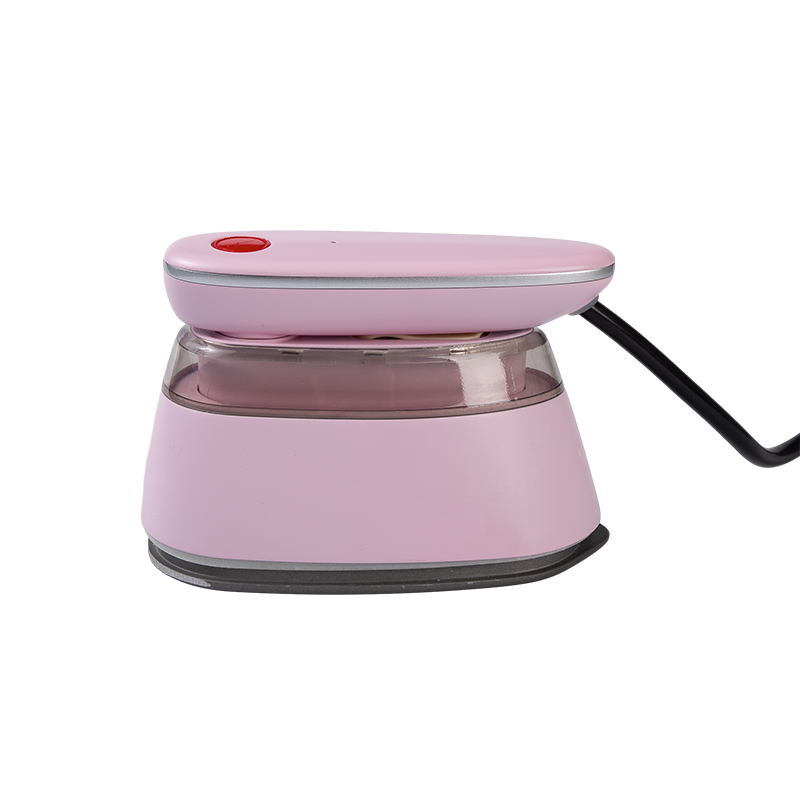
Increased power is not without compromise. The components needed to generate higher wattage—a larger heating element, more robust boiler, and often a bigger water tank—add to the device's weight and size. A 2200W machine may weigh 1.2kg or more when full, which can cause fatigue during extended use. A 1200W model might be noticeably lighter, around 0.7kg, aiding portability. Furthermore, higher wattage consumes more electricity per minute of use. However, this is often offset by significantly reduced ironing time. The key trade-off lies in balancing sufficient power for your typical fabric types against a weight you find comfortable to handle.
Choosing the Right Power for Your Needs
Selecting the appropriate wattage is a practical decision based on your ironing habits. Use the following guide to align power with intended use:
| Power Range (Watts) | Best For | Steam Output (Typical) | Limitations |
| 1000W - 1400W | Light travel use, occasional touch-ups on synthetic or lightweight cotton, student dorm rooms. | Low to Moderate (15-25 g/min) | Struggles with heavy wrinkles, denim, linen; slower heating; may dampen more than iron. |
| 1500W - 1800W | General home use for mixed fabrics, weekly ironing of shirts, blouses, and casual wear. | Moderate (25-35 g/min) | May require multiple passes on thick cotton or deep pleats; check for continuous steam capability. |
| 1900W - 2200W+ | Frequent ironing, heavy fabrics (denim, linen, canvas), families, or those seeking professional-quality results quickly. | High (35-50+ g/min) | Heavier, potentially bulkier, higher energy draw per use (though time is shorter). |
Beyond Wattage: Other Critical Factors
While power is fundamental, it works in concert with other features. A high-wattage machine with a tiny water tank will constantly need refilling, interrupting your workflow. Similarly, a poorly designed soleplate or uneven steam distribution will waste that powerful output. Look for:
- Steam Setting Variety: Adjustable controls let you harness high power for delicate tasks.
- Build Quality & Soleplate: A smooth, coated soleplate (ceramic, titanium) glides better and distributes steam evenly.
- Tank Capacity: A larger tank (200-300ml) supports continuous use of high steam output.
- Burst of Steam/Pressurized Steam: This function concentrates the power for tough wrinkles.
In conclusion, the power of a handheld ironing machine is the cornerstone of its performance, dictating speed, fabric versatility, and effectiveness. By understanding this relationship and weighing it against practical factors like weight and intended use, you can select a tool that transforms a chore into a quick, efficient task, leaving your clothes impeccably smooth with minimal effort.