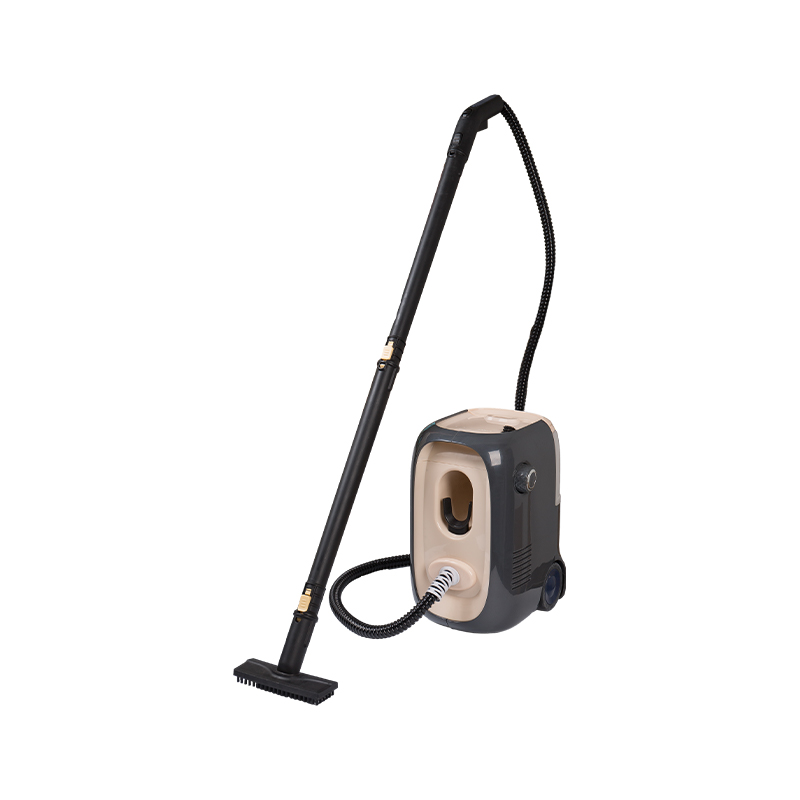
For allergy sufferers, the term “dust mites” can evoke a sense of relentless, invisible warfare. These microscopic arachnids, thriving in our bedding, upholstery, and carpets, are a leading trigger for allergic reactions and asthma. In the quest for a non-chemical, effective solution, many turn to the promise of steam. The question then arises: Does a handheld steam cleaner kill dust mites?
The short, science-backed answer is yes, a handheld steam cleaner can be a highly effective tool for killing dust mites when used correctly. However, understanding the “how,” the “why,” and the crucial limitations is essential to managing expectations and using the tool effectively as part of a broader strategy.
Understanding the Enemy: What Are Dust Mites?
Before discussing the solution, we must understand the problem. Dust mites (Dermatophagoides spp.) are not insects but eight-legged creatures related to spiders. They are roughly 0.3 millimeters long—invisible to the naked eye. They do not bite or spread disease; their primary allergen comes from their fecal pellets and disintegrating body fragments.
They thrive in environments that provide their two key necessities:
- Food: Shed human and pet skin cells (dander).
- Habitat: Warm, humid environments (ideally 70-80°F with 70-80% relative humidity) with fabric to burrow into.
Their favorite habitats include mattresses, pillows, bedding, stuffed toys, upholstered furniture, and carpets. An average used mattress can be home to 100,000 to 10 million mites.
The Lethal Mechanism: How Steam Kills Dust Mites
Dust mites, like all living organisms, have a critical thermal death point. This is where steam proves devastatingly effective. Steam cleaners, including handheld models, produce superheated water vapor at temperatures typically ranging from 212°F (100°C) to over 300°F (150°C) at the nozzle tip.
The mode of action is twofold:
- Thermal Death: The intense, moist heat of dry steam (low-moisture, high-temperature vapor) penetrates fabric fibers. Dust mites cannot survive sustained exposure to temperatures above 131°F (55°C). The steam emitted by these cleaners far exceeds this threshold, denaturing the proteins in their bodies and effectively cooking them on contact.
- Desiccation (Drying Out): While the initial blast is moist, the rapid evaporation and aftermath leave fabrics drier. Dust mites require humidity; the post-steam environment, if properly ventilated, becomes less hospitable.
Multiple scientific studies support this. Research published in journals like Allergy and the Journal of Allergy and Clinical Immunology has consistently shown that steam cleaning is one of the most effective non-acaricidal (non-chemical) methods for reducing live dust mite populations and washing away allergens. A handheld steam cleaner brings this laboratory-verified method into a portable, accessible format.
The Critical Advantages of Using a Handheld Steam Cleaner
Compared to other methods, a handheld steam cleaner offers unique benefits in the fight against dust mites:
- Chemical-Free: It uses only water, making it safe for children, pets, and individuals with chemical sensitivities. There are no residual toxic fumes or residues that could pose a health risk.
- Deep Penetration: The pressurized steam can penetrate deeper into fabric layers, mattress padding, and carpet pile than surface wiping or vacuuming alone, reaching mites where they live and breed.
- Allergen Removal: It doesn’t just kill live mites. The force of the steam and the subsequent use of an attached microfiber cloth or the vacuuming-after-steam practice helps dislodge, dissolve, and remove the allergenic fecal matter and body fragments, which is just as important as killing the live mites.
- Versatility: Its handheld nature allows you to target prime mite habitats with precision: mattress seams, pillow surfaces, sofa crevices, car interiors, and drapery folds.
- Sanitization Bonus: The high-temperature steam also kills a broad spectrum of other allergens and pathogens, including mold spores, bacteria, and viruses, contributing to a comprehensively healthier environment.
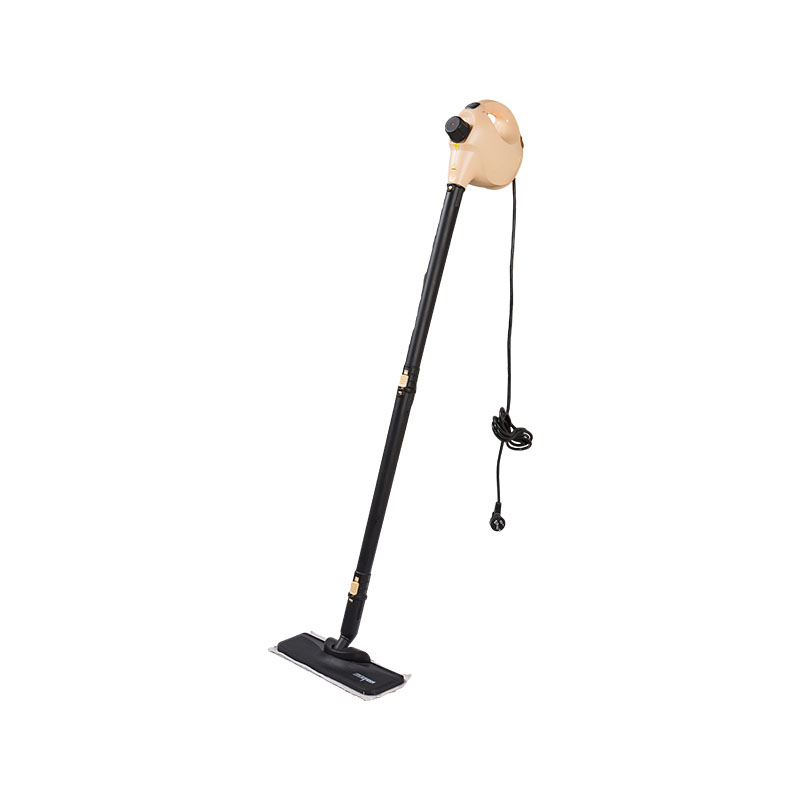
The Crucial Limitations and Realistic Expectations
This is where avoiding exaggeration is vital. A handheld steam cleaner is a powerful tool, but not a magical one. Its effectiveness is entirely dependent on correct use and understanding its place in an integrated approach.
- It Is Not a One-Time Solution: Dust mites are a recurring problem. New mites can be introduced or repopulate from untreated areas. Steam cleaning for mites must be a regular part of your cleaning routine, typically recommended every 1-3 months for key areas like bedding and upholstery.
- Surface Moisture is a Risk: The cardinal sin of steam cleaning is leaving fabric too wet. Excess moisture can soak into padding, creating a perfect, humid breeding ground for new mites and even mold. The key is to use “dry steam” settings (if available), move the nozzle slowly and steadily to avoid pooling, and most importantly, allow all cleaned surfaces to dry thoroughly and completely—often with the aid of fans, dehumidifiers, or sunlight. This drying phase is non-negotiable.
- Cannot Treat Deep Padding: While steam penetrates well, it cannot sanitize the deepest layers of a thick mattress or carpet padding. It significantly reduces surface and mid-level populations but may not achieve 100% eradication in the deepest recesses.
- Requires Preparation and Follow-Up: For best results, you should vacuum the area thoroughly before steaming to remove loose dust and allergens. After steaming and allowing to dry, another vacuuming session is recommended to pick up the dead mites and allergens dislodged by the steam.
- Not for All Surfaces: The high heat and moisture can damage delicate fabrics (silk, some velvets), unsealed wood, waxed floors, and certain electronics. Always check manufacturer labels and test in an inconspicuous spot first.
Best Practices: How to Use Your Handheld Steam Cleaner Against Dust Mites
To maximize efficacy, follow this protocol:
1. Preparation:
- Strip all bedding and wash in hot water (≥130°F).
- Thoroughly vacuum the target area (mattress, sofa, carpet) with a HEPA-filter vacuum cleaner to remove surface dust and allergens.
- Ensure your steam cleaner is filled with distilled or demineralized water to prevent mineral buildup and is heated to its optimal temperature.
2. Application:
- Attach a flat or fabric brush accessory for broad surfaces.
- Hold the nozzle 1-2 inches from the fabric surface.
- Use slow, overlapping strokes, applying steam for at least 5-10 seconds per section to ensure thermal death. The surface should feel very hot to the touch.
- Pay meticulous attention to seams, tufts, pleats, and crevices where mites congregate.
- Use a scraping tool or stiff brush attachment for grout lines in bathrooms, another potential habitat.
3. The Most Important Step: Drying:
- Do not reassemble the bed or use the furniture immediately.
- Open windows, use fans, or run a dehumidifier in the room.
- If possible, expose the mattress or pillows to direct sunlight, which further kills mites and aids drying.
- Allow a minimum of 4-6 hours, or until completely bone-dry to the touch deep within seams.
4. Follow-Up:
- Once dry, vacuum the steamed area again to remove the now-dead mites and allergens.
- Encase your mattress and pillows in allergen-proof covers, which create a permanent barrier between you and any remaining mites in the padding.
The Verdict: A Key Weapon, But Not a Standalone Army
So, does a handheld steam cleaner kill dust mites? Absolutely, and with impressive efficiency. It delivers a lethal, chemical-free thermal shock that mites cannot survive.
However, its power is unlocked only when used as part of a comprehensive, integrated allergen reduction plan. This plan includes:
- Regular steaming of soft furnishings.
- Frequent hot-water washing of bedding.
- Consistent vacuuming with a HEPA filter.
- Use of allergen-proof encasements.
- Humidity control (keeping indoor RH below 50%).
A handheld steam cleaner is not a silver bullet, but it is arguably one of the most potent and healthy tools in your arsenal. By managing expectations, respecting its limitations—especially the critical drying phase—and incorporating it into a routine, you can significantly reduce the dust mite population in your home and breathe easier, quite literally.

 English
 中文简体
中文简体