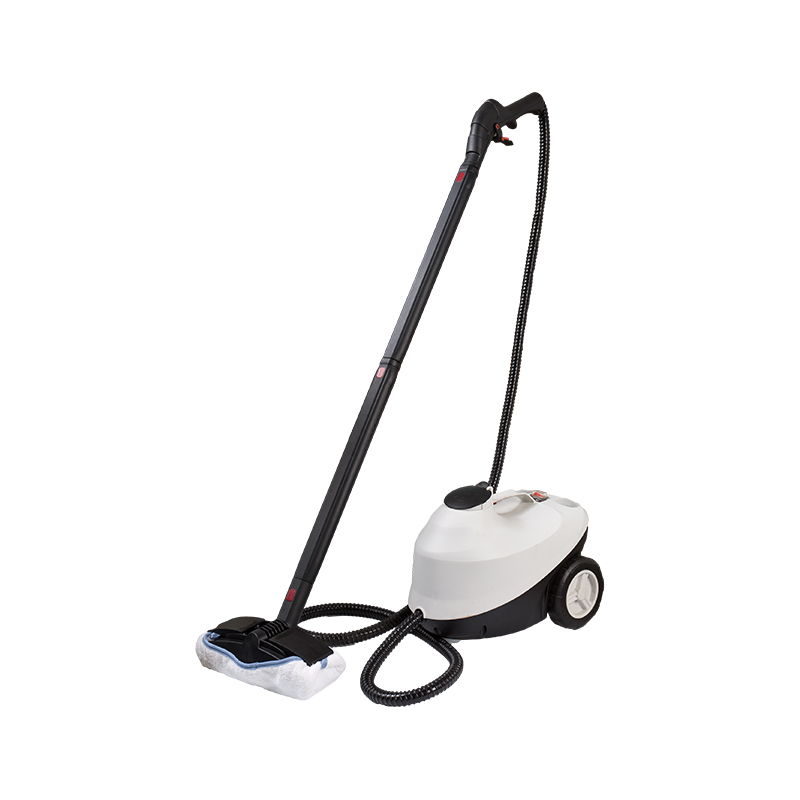
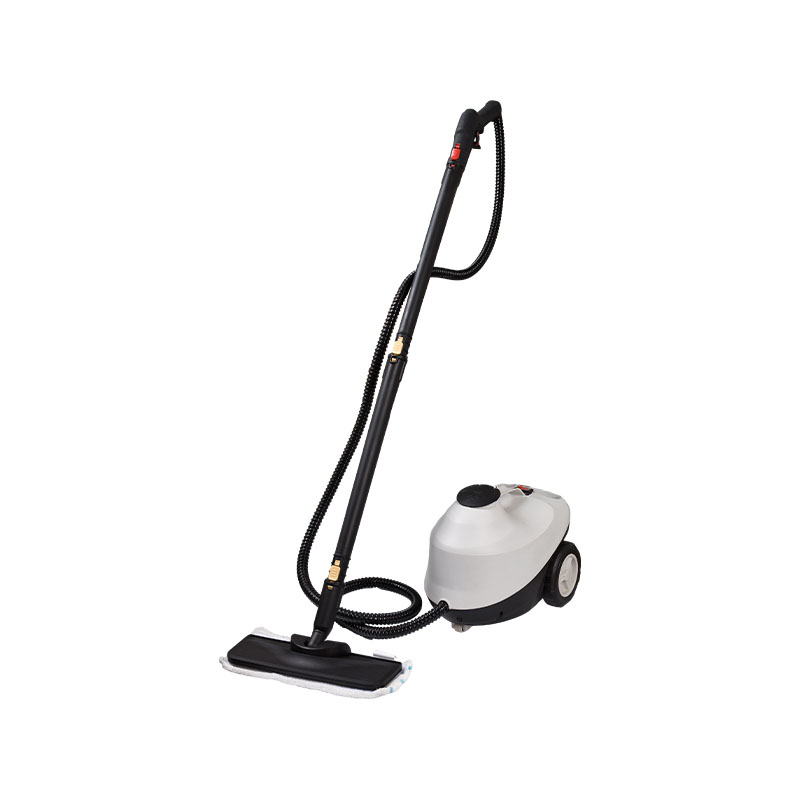
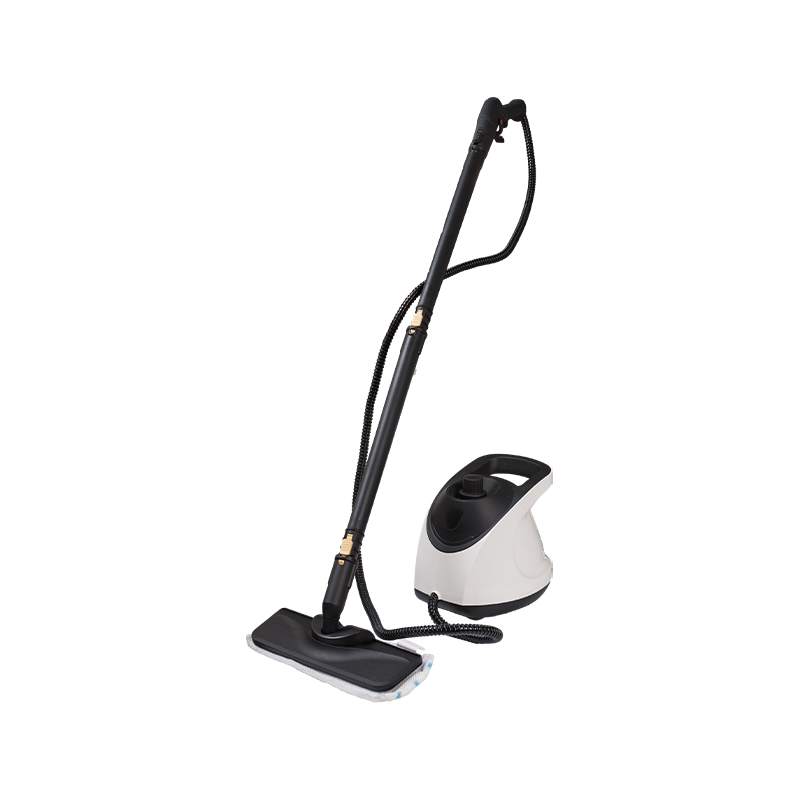
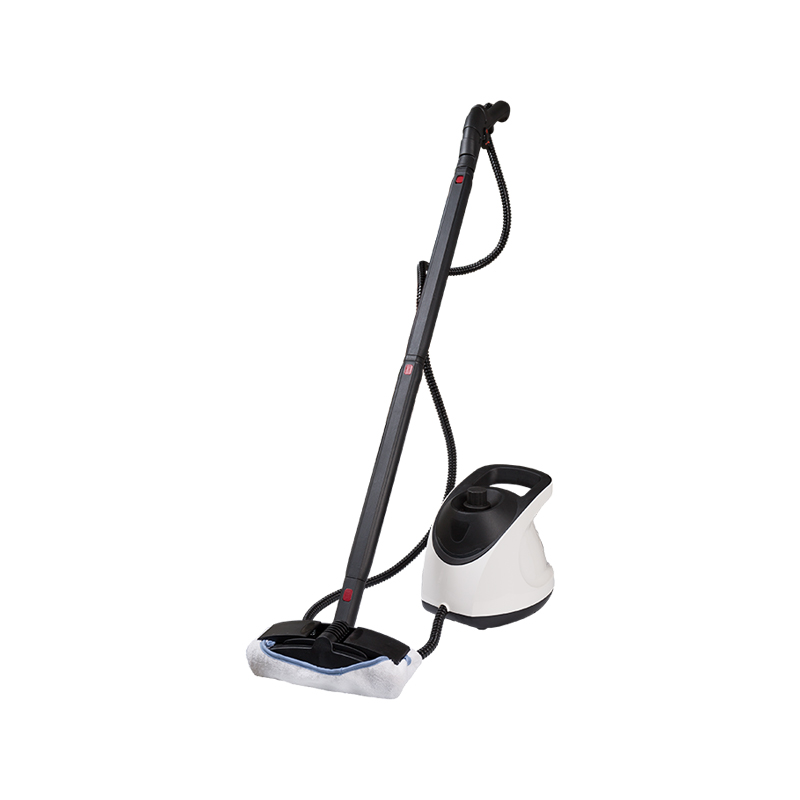
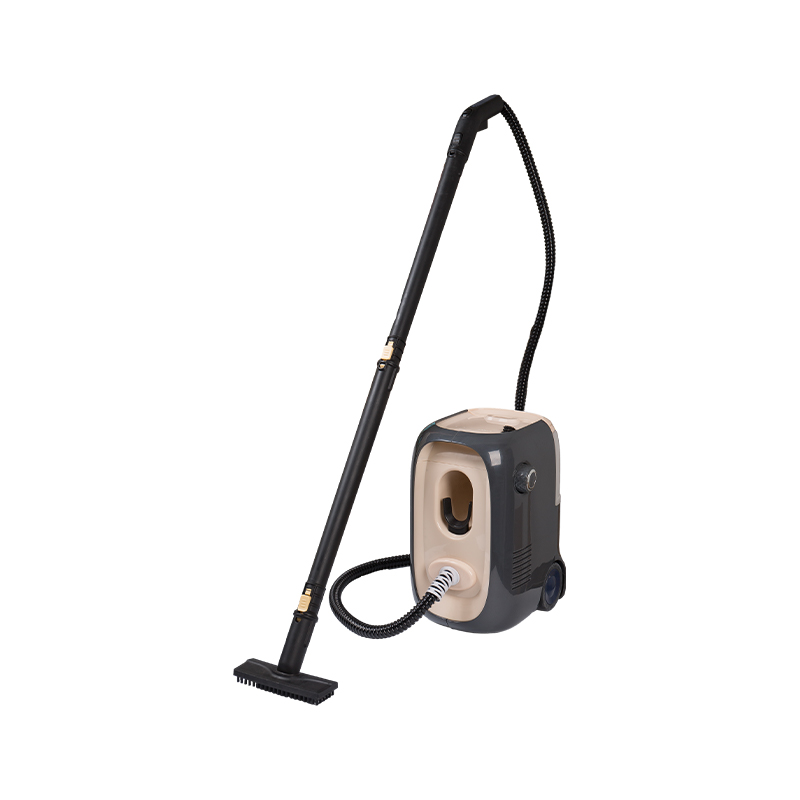
Understanding What a Handheld Steam Cleaner Does
A handheld steam cleaner is a compact appliance designed to heat water into high-temperature steam and direct it through a nozzle or attachment. The steam loosens dirt, grease, and dried-on residue while also killing many bacteria and dust mites without relying on chemical cleaners. Because it uses only water, it supports chemical-free cleaning, making it suitable for households with children, pets, or allergy concerns.
Unlike larger steam mops or canister steam systems, a handheld steam cleaner focuses on precision tasks. It is especially effective for tight spaces, detailed surfaces, and quick spot cleaning where dragging out a full-size machine would be inefficient.
Key Features That Matter When Choosing a Handheld Steam Cleaner
Not all handheld steam cleaners perform the same. Practical differences in power, capacity, and attachments affect real-world results. Understanding these features helps match the tool to actual cleaning needs instead of marketing claims.
Steam Pressure and Temperature
Higher steam pressure allows faster penetration into grime and grease. Units producing steam above 212°F (100°C) are more effective for sanitizing surfaces like bathroom fixtures and kitchen counters. Pressure output is especially important for tile grout and baked-on food residue.
Water Tank Capacity and Heat-Up Time
A larger tank allows longer cleaning sessions, while shorter heat-up times support quick jobs. Many users prefer a balance: enough capacity to clean several areas without refilling, combined with a heat-up time under five minutes.
Attachments and Accessories
- Detail nozzles for grout, corners, and crevices
- Brush heads for grease and textured surfaces
- Fabric tools for upholstery and curtains
- Squeegees for glass and mirrors
Practical Household Applications
A handheld steam cleaner works best when applied to targeted tasks. Instead of replacing every cleaning tool, it complements existing routines by handling jobs where heat and moisture outperform sprays and wipes.
Kitchen Cleaning
Steam cleaning is particularly effective in kitchens where grease accumulates. It softens residue on stovetops, range hoods, backsplashes, and microwave interiors. Steam can lift grease from cabinet handles and sanitize food-prep surfaces without leaving chemical residue behind.
Bathroom and Tile Areas
In bathrooms, handheld steam cleaners excel at cleaning tile grout, soap scum, faucets, and shower doors. The heat loosens mineral buildup while reducing mold spores in damp environments. Regular steam cleaning can reduce the need for abrasive scrubbers that wear down grout lines.
Upholstery and Fabric Refreshing
With proper fabric attachments, steam can refresh couches, car seats, and mattresses. It helps remove odors and surface dirt while killing dust mites. The key is using controlled bursts and allowing fabrics to dry completely to prevent moisture damage.
Surfaces That Are Safe—and Not Safe—for Steam Cleaning
Steam is powerful, but not every surface tolerates heat and moisture. Understanding surface compatibility prevents damage and extends the life of household materials.
| Safe Surfaces |
Surfaces to Avoid |
| Sealed tile and grout |
Unsealed hardwood floors |
| Stainless steel |
Waxed or oiled surfaces |
| Glass and mirrors |
Delicate fabrics like silk |
| Ceramic and porcelain |
Painted surfaces with peeling paint |
Step-by-Step Guide to Effective Steam Cleaning
Using a handheld steam cleaner correctly improves results and prevents streaking or moisture buildup. A structured approach ensures consistent cleaning quality.
- Fill the tank with distilled or filtered water to reduce mineral buildup.
- Allow the unit to reach full temperature before use.
- Start with short bursts of steam rather than continuous spraying.
- Wipe loosened dirt immediately with a microfiber cloth.
- Let surfaces dry completely before reuse.
Maintenance and Longevity Tips
Proper maintenance keeps a handheld steam cleaner performing consistently. Neglecting care leads to reduced steam output and shortened lifespan.
After each use, empty remaining water and allow the unit to cool with the cap off. Periodic descaling, especially in areas with hard water, prevents mineral buildup inside the heating chamber. Checking attachments for clogs ensures steady steam flow.
Comparing Handheld Steam Cleaners to Other Cleaning Tools
A handheld steam cleaner does not replace every cleaning method, but it fills a specific role. Compared to spray cleaners, it eliminates chemical residues. Compared to steam mops, it offers precision rather than floor coverage. Compared to wipes, it provides deeper sanitation for stubborn grime.
For many households, combining traditional cleaning with targeted steam cleaning improves overall hygiene while reducing chemical usage.
Who Benefits Most from a Handheld Steam Cleaner
This tool is especially useful for apartment dwellers, pet owners, allergy-sensitive households, and anyone seeking efficient, chemical-free cleaning. It supports routine maintenance as well as deep cleaning projects without demanding storage space or complex setup.
When used intentionally and maintained properly, a handheld steam cleaner becomes a reliable part of a modern, practical home cleaning system.

 English
 中文简体
中文简体