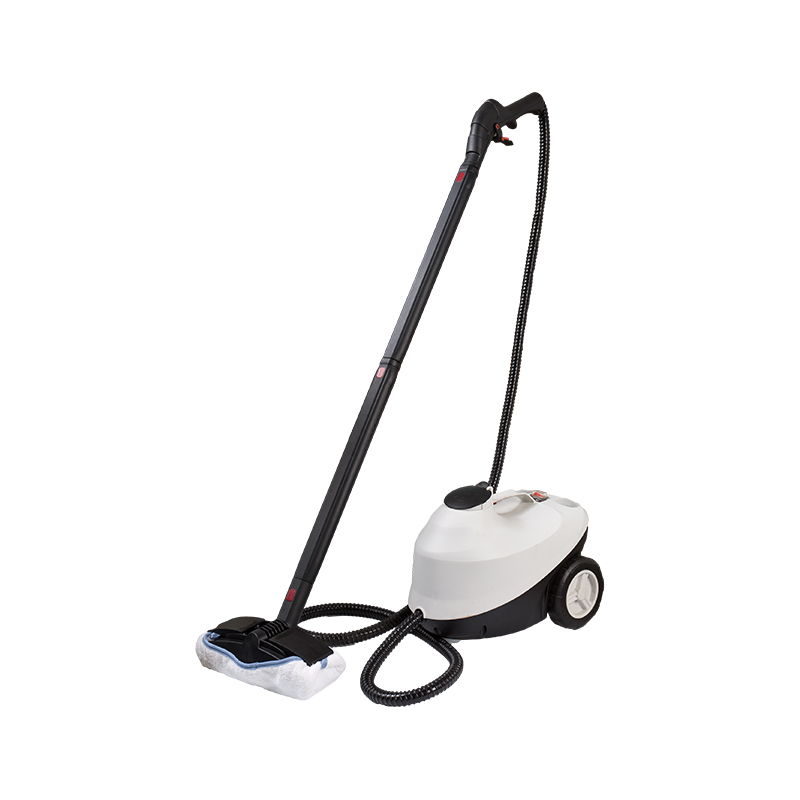
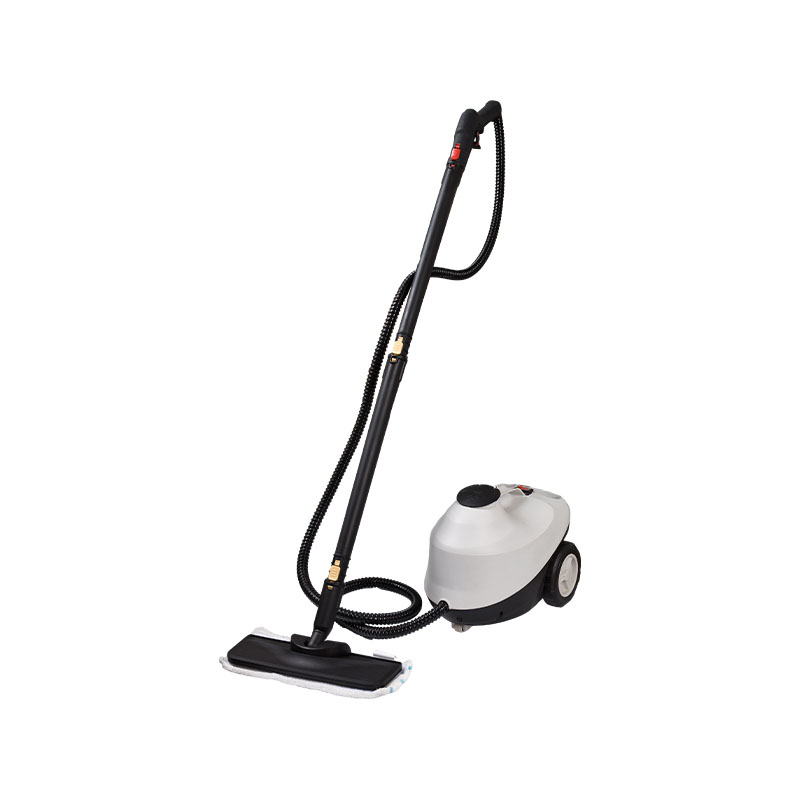
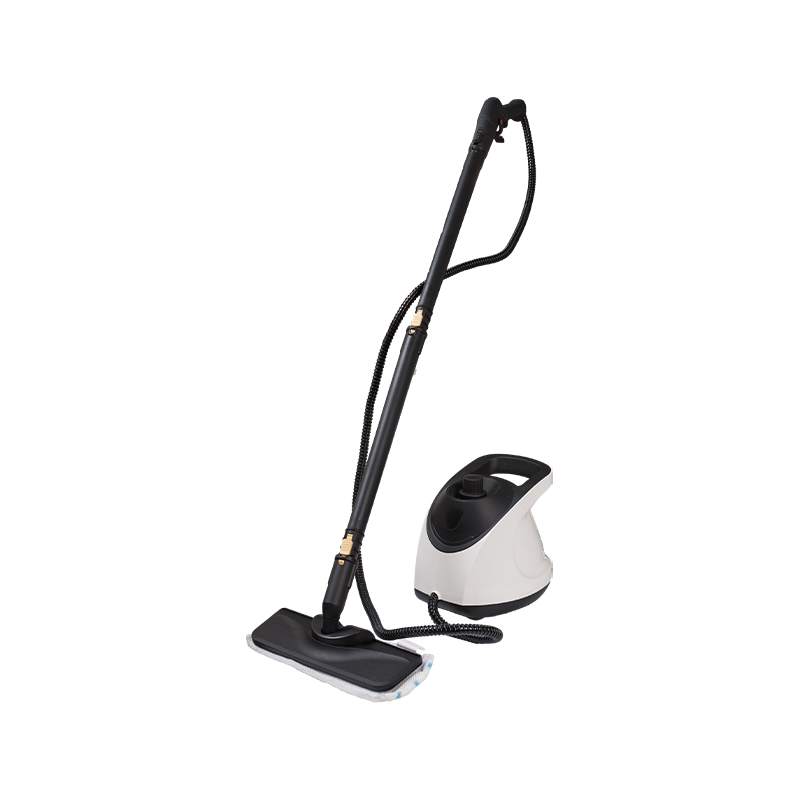
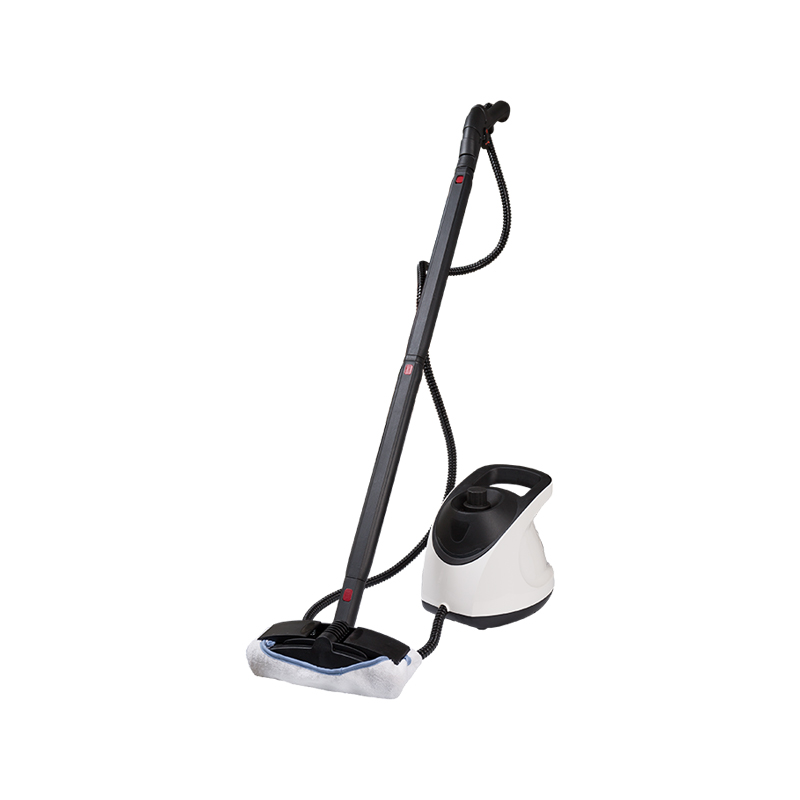
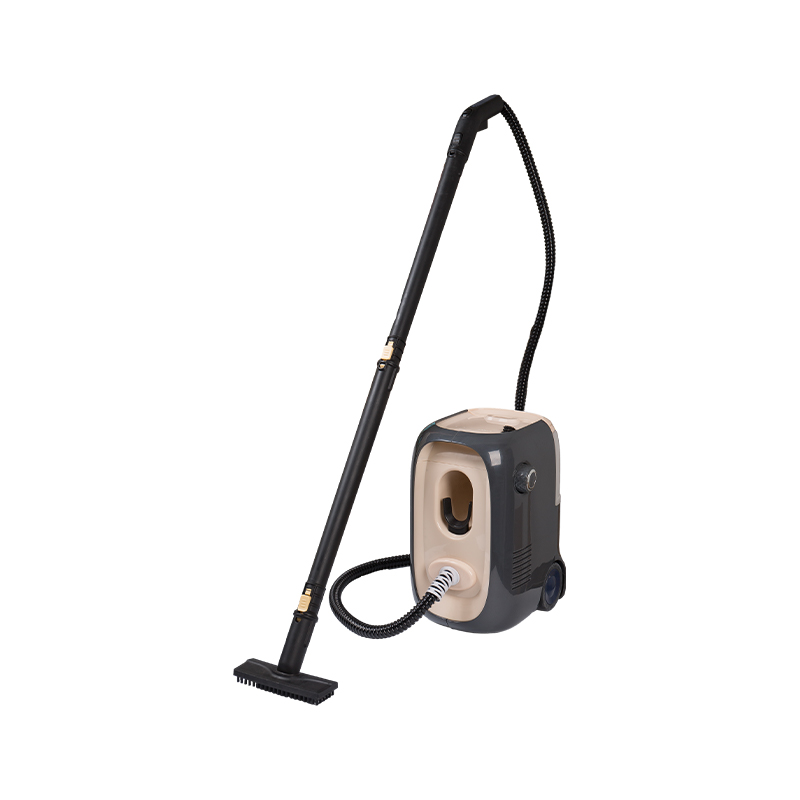
Floor steam mops have become a popular cleaning tool for households that want a more hygienic way to clean hard floors without relying heavily on chemical cleaners. By using heated steam, these devices loosen dirt, kill many germs, and leave floors feeling fresh. This article focuses on how floor steam mops work, how to choose the right one, how to use them safely on different surfaces, and how to maintain them for long-term use.
How Floor Steam Mops Work
Floor steam mops heat water in a small internal tank until it produces steam. This steam is released through a microfiber pad attached to the mop head. As the steam contacts the floor, it softens dried-on grime and helps lift dirt into the pad. Because steam reaches high temperatures, it can also reduce bacteria and allergens when used correctly.
Most models rely on simple mechanics: a heating element, a water reservoir, and a steam trigger or automatic release system. Understanding this basic process helps users avoid common mistakes, such as over-wetting floors or using the mop on surfaces that are sensitive to heat or moisture.
Key Benefits of Using a Floor Steam Mop
Steam mops are often chosen for their balance of cleaning power and simplicity. While they are not a replacement for deep scrubbing in every situation, they offer several practical advantages for routine floor care.
- Reduced need for chemical cleaners, making them suitable for homes with pets or children.
- Faster drying times compared to traditional wet mopping methods.
- Effective removal of surface-level bacteria and odors when used properly.
These benefits are most noticeable on sealed hard floors such as tile, vinyl, and certain types of laminate. Choosing the right model and settings ensures these advantages are realized without damaging flooring materials.
Choosing the Right Floor Steam Mop
Not all floor steam mops are the same. Selecting the right one depends on your floor types, cleaning habits, and storage space. Focusing on a few core features can make the decision easier.
Steam Control and Heat-Up Time
Adjustable steam output allows you to tailor moisture levels to different floors. Quick heat-up times, often under 30 seconds, are helpful for frequent, short cleaning sessions rather than long, planned routines.
Water Tank Capacity
A larger water tank means fewer refills but can add weight. Smaller tanks are lighter and easier to handle but may require refilling during larger cleaning jobs. Consider the size of the area you plan to clean regularly.
Attachments and Mop Head Design
Some steam mops include removable heads or attachments for corners, grout lines, or even refreshing carpets. While not essential, these extras can add flexibility for households with varied cleaning needs.
Floor Compatibility and Safety Considerations
One of the most important aspects of using a floor steam mop is understanding which surfaces are safe for steam cleaning. Heat and moisture can damage certain materials if used incorrectly.
| Floor Type |
Steam Mop Suitability |
| Ceramic or Porcelain Tile |
Generally Safe |
| Sealed Vinyl |
Safe with Moderate Steam |
| Laminate |
Use Caution |
| Unsealed Wood |
Not Recommended |
Always check flooring manufacturer guidelines before using a steam mop, especially on laminate or engineered wood. Using minimal steam and keeping the mop moving reduces the risk of moisture damage.
Effective Cleaning Techniques
Using a floor steam mop correctly improves results and protects your floors. Preparation and technique matter just as much as the mop itself.
- Sweep or vacuum first to remove loose debris that steam alone may not capture.
- Move the mop steadily rather than holding it in one spot to avoid excess moisture.
- Replace or rinse pads during long sessions to prevent spreading dirt.
For stubborn areas, multiple light passes are usually safer than increasing steam output or pressure. Patience often yields better long-term results.
Maintenance and Longevity Tips
Proper maintenance helps ensure your floor steam mop continues to perform effectively. Neglecting simple care steps can lead to reduced steam output or mineral buildup.
Using distilled or demineralized water can reduce scale buildup in areas with hard water. After each use, allow the mop to cool and empty any remaining water from the tank.
Wash microfiber pads regularly according to manufacturer instructions, avoiding fabric softeners that can reduce absorbency. Periodically inspect seals and hoses for wear to catch small issues before they affect performance.
With thoughtful use and routine care, a floor steam mop can remain a reliable cleaning tool for years, offering a practical balance between convenience and effective floor hygiene.

 English
 中文简体
中文简体